

STUDlearn · Body
Fitness / training
Also known as
lifting · running · workout · strength · cardio · exercise · soreness · pain · crossfit · blood flow restriction · recomp · peak week
Named sources. May be wrong or incomplete. Not medical, legal, financial, or other professional advice.
Build a repeatable mix of aerobic activity, strength, and recovery.
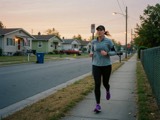
What would help today?
Build toward the adult weekly activity range
- Moderate aerobic activity
- 150–300 minutes a week; brisk walking can count.
- Vigorous activity alternative
- 75–150 minutes a week, or an equivalent mix of moderate and vigorous activity.
- Strength
- All major muscle groups on two or more days a week.
- Starting smaller
- Shorter bouts count, and benefit starts below the full weekly target.
For adults, the World Health Organization and U.S. physical-activity guidelines recommend 150 to 300 minutes each week of moderate aerobic activity, 75 to 150 minutes of vigorous activity, or an equivalent mix. They also recommend muscle-strengthening activity for all major muscle groups on two or more days each week. Brisk walking can count as moderate activity, and shorter bouts count toward the total. Michelle Segar's behavior-change research and Alex Hutchinson's endurance-science reporting help translate the target into a repeatable life rather than a test of identity; the public-health guidelines still control the numbers. If you are inactive, begin with a small amount you can do safely and build toward the range because benefit starts below the full target.
Sources 4
- World Health Organization. WHO Guidelines on Physical Activity and Sedentary Behaviour. 2020.Research or guidanceGuideline page (opens in a new tab) ↗Full guideline (opens in a new tab) ↗
- U.S. Department of Health and Human Services. Physical Activity Guidelines for Americans, 2nd edition. 2018.Research or guidanceFull guideline (opens in a new tab) ↗
- Michelle Segar, PhD, MPH, MSProfessional backgroundofficial U-M expert profile (opens in a new tab) ↗
- Alex Hutchinson, PhDProfessional backgroundofficial Outside biography (opens in a new tab) ↗
Pair walking with strength work for a fuller plan
- Walking
- Brisk walking can meet the aerobic target; easier walking still reduces inactive time.
- Strength alongside it
- Train major muscle groups at least twice a week with suitable bodyweight exercises, bands, free weights, or machines.
Walking is real physical activity. A brisk pace can help meet the aerobic guideline, and easier walking can still reduce time spent inactive. Strength work has a complementary job: the World Health Organization recommends training all major muscle groups on at least two days each week. The American College of Sports Medicine's 2026 position stand found that resistance training improves strength, muscle size, and physical function in healthy adults, with the largest practical gain coming from moving from none to some. Brad Schoenfeld, Sohee Carpenter, and Molly Galbraith make flexible resistance training understandable for public audiences; the position stand supports using bodyweight exercises, bands, free weights, or machines when the movement and load fit the person.
Sources 6
- World Health Organization. WHO Guidelines on Physical Activity and Sedentary Behaviour. 2020.Research or guidanceGuideline page (opens in a new tab) ↗Full guideline (opens in a new tab) ↗
- U.S. Department of Health and Human Services. Physical Activity Guidelines for Americans, 2nd edition. 2018.Research or guidanceFull guideline (opens in a new tab) ↗
- Currier BS, D’Souza AC, Fiatarone Singh MA, et al. American College of Sports Medicine Position Stand. Resistance Training Prescription for Muscle Function, Hypertrophy, and Physical Performance in Healthy Adults: An Overview of Reviews. Medicine & Science in Sports & Exercise. 2026;58(4):851–872.Research or guidancePubMed (opens in a new tab) ↗DOI (opens in a new tab) ↗
- Brad Schoenfeld, PhD, CSCS, FNSCAProfessional backgroundofficial Lehman profile (opens in a new tab) ↗
- Sohee Carpenter, PhD, distinguished CSCSProfessional backgroundofficial biography (opens in a new tab) ↗
- Molly Galbraith, CSCSProfessional backgroundNSCA biography (opens in a new tab) ↗Girls Gone Strong mission and expert model (opens in a new tab) ↗
Progress gradually from your current baseline
- Make one manageable change
- Adjust frequency, time, resistance, repetitions, pace, difficulty, or technique, then watch recovery and performance.
- Other sound options
- Maintain the current level, take an easier week, or temporarily reduce training when health or life demands it.
Progress means giving your body a manageable reason to adapt rather than forcing an increase every week. U.S. guidance recommends starting below the desired level when needed and increasing over time, especially when the current routine is light or inconsistent. Eric Helms, Greg Nuckols, and Andy Galpin help public audiences distinguish a training principle from a rigid template: frequency, duration, resistance, repetitions, pace, movement difficulty, and technique can change separately. Watch symptoms, technique, recovery, and performance after one manageable change. Maintenance, an easier week, or a temporary reduction during illness, pain, poor sleep, or heavy life stress can be sound training decisions.
Sources 5
- U.S. Department of Health and Human Services. Physical Activity Guidelines for Americans, 2nd edition. 2018.Research or guidanceFull guideline (opens in a new tab) ↗
- Currier BS, D’Souza AC, Fiatarone Singh MA, et al. American College of Sports Medicine Position Stand. Resistance Training Prescription for Muscle Function, Hypertrophy, and Physical Performance in Healthy Adults: An Overview of Reviews. Medicine & Science in Sports & Exercise. 2026;58(4):851–872.Research or guidancePubMed (opens in a new tab) ↗DOI (opens in a new tab) ↗
- Eric Helms, PhDProfessional backgroundsenior and research fellows (opens in a new tab) ↗SPRINZ leadership (opens in a new tab) ↗
- Greg Nuckols, MAProfessional backgroundStronger by Science team biography (opens in a new tab) ↗
- Andy Galpin, PhD, distinguished CSCSProfessional backgroundofficial Parker profile (opens in a new tab) ↗
Match soreness, pain, and warning signs to the right response
- Mild, improving soreness
- Use easier activity, recovery, or a temporary adjustment; soreness is not a measure of workout quality.
- Sudden, severe, or worsening pain
- Stop and seek assessment, especially with swelling, weakness, deformity, or loss of normal use.
- Urgent symptoms
- Unexpectedly severe muscle pain, unusual weakness, or dark urine needs immediate care; chest discomfort, fainting, or severe breathlessness needs emergency evaluation.
Delayed muscle soreness can follow unfamiliar or harder exercise, but soreness is not proof that a workout was effective and muscle damage is not required for growth. Ebonie Rio's physiotherapy work and Jordan Feigenbaum's medicine-and-strength education support separating a manageable training response from symptoms that need assessment; neither can diagnose a visitor through a page. Mild, general soreness that is improving may call for easier activity, recovery, or a temporary adjustment. Stop and seek assessment for sudden, severe, focused, or worsening pain, major swelling, deformity, weakness, or loss of normal use. Muscle pain more severe than expected, unusual weakness or fatigue, or dark urine each needs immediate medical care, while chest discomfort, fainting, or severe or unusual breathlessness needs emergency evaluation.
Sources 6
- Damas F, Libardi CA, Ugrinowitsch C. The Development of Skeletal Muscle Hypertrophy through Resistance Training: The Role of Muscle Damage and Muscle Protein Synthesis. European Journal of Applied Physiology. 2018;118:485–500.Research or guidancePubMed (opens in a new tab) ↗DOI (opens in a new tab) ↗
- National Institute of Arthritis and Musculoskeletal and Skin Diseases. Sports Injuries: Diagnosis, Treatment, and Steps to Take. Page reviewed 2026-08-22.Research or guidanceNIAMS guidance (opens in a new tab) ↗
- National Institute for Occupational Safety and Health, Centers for Disease Control and Prevention. Signs and Symptoms of Rhabdomyolysis. Page reviewed 2026-08-22.Research or guidanceCDC guidance (opens in a new tab) ↗
- Franklin BA, Thompson PD, Al-Zaiti SS, et al. Exercise-Related Acute Cardiovascular Events and Potential Deleterious Adaptations Following Long-Term Exercise Training. Circulation. 2020;141:e705–e736.Research or guidanceDOI (opens in a new tab) ↗
- Ebonie Rio, PhD, physiotherapistProfessional backgroundLa Trobe's current appointment notice (opens in a new tab) ↗research profile summary (opens in a new tab) ↗
- Jordan Feigenbaum, MD, MS, CSCSProfessional backgroundofficial team profile (opens in a new tab) ↗
Good to know. Stop exercising and seek emergency help for chest pressure or pain, fainting, or severe or unusual shortness of breath. Muscle pain more severe than expected, unusual weakness or fatigue, or dark tea- or cola-colored urine can each be a warning sign of rhabdomyolysis; stop and seek medical care immediately even if the other signs are absent. Stop the activity and get assessed for sudden severe or focused pain, a pop with deformity, major swelling, inability to bear weight or use the limb, or pain that persists or worsens. Most healthy adults without symptoms can begin light- to moderate-intensity activity and increase gradually. Pregnancy or postpartum, chronic disease, disability or frailty, recent surgery or injury, and medicines that affect exercise may require a plan tailored with a qualified health professional.
What the research found
- Build a week with aerobic activity and strength. The World Health Organization recommends that adults accumulate 150 to 300 minutes of moderate aerobic activity each week, 75 to 150 minutes of vigorous activity, or an equivalent combination. It also recommends muscle-strengthening activity involving all major muscle groups on two or more days each week. Alex Hutchinson and Stephen Seiler make endurance research understandable for large public audiences, while Michelle Segar studies how activity can become sustainable. The guideline controls the target: work, transport, household activity, recreation, and planned exercise can all contribute, and adults who are inactive can start below the range and increase gradually.
Sources 5
- World Health Organization. WHO Guidelines on Physical Activity and Sedentary Behaviour. 2020.Research or guidanceGuideline page (opens in a new tab) ↗Full guideline (opens in a new tab) ↗
- U.S. Department of Health and Human Services. Physical Activity Guidelines for Americans, 2nd edition. 2018.Research or guidanceFull guideline (opens in a new tab) ↗
- Stephen Seiler, PhDProfessional backgroundprofessional CV hosted by the European College of Sport Science (opens in a new tab) ↗
- Alex Hutchinson, PhDProfessional backgroundofficial Outside biography (opens in a new tab) ↗
- Michelle Segar, PhD, MPH, MSProfessional backgroundofficial U-M expert profile (opens in a new tab) ↗
- Use regular resistance training to improve function. The American College of Sports Medicine's 2026 position stand synthesized 137 systematic reviews involving more than 30,000 healthy adults. Resistance training improved muscle strength, muscle size, and physical function compared with no resistance training. Brad Schoenfeld and Stuart Phillips bring deep muscle and resistance-training research to public education; their narrower hypertrophy and protein expertise does not turn this into one bodybuilding program. The largest practical gain is participation, and machines, free weights, bands, and bodyweight movements can all fit when the program matches the person's goal, ability, access, and preference.
Sources 3
- Currier BS, D’Souza AC, Fiatarone Singh MA, et al. American College of Sports Medicine Position Stand. Resistance Training Prescription for Muscle Function, Hypertrophy, and Physical Performance in Healthy Adults: An Overview of Reviews. Medicine & Science in Sports & Exercise. 2026;58(4):851–872.Research or guidancePubMed (opens in a new tab) ↗DOI (opens in a new tab) ↗
- Brad Schoenfeld, PhD, CSCS, FNSCAProfessional backgroundofficial Lehman profile (opens in a new tab) ↗
- Stuart Phillips, PhDProfessional backgroundMcMaster Experts profile (opens in a new tab) ↗
- Progress gradually from your current baseline. The U.S. Physical Activity Guidelines advise inactive adults to begin with amounts and intensities that fit their current ability and increase over time. The gap between a person's usual activity and a new workload helps determine injury risk, so a sudden large jump is different from gradual progression. Eric Helms, Greg Nuckols, and Andy Galpin each translate programming and adaptation for public audiences, but no commercial program or coaching framework replaces the guideline. Progress may come from time, repetitions, resistance, sessions, pace, or movement skill, and a sustainable increase preserves useful technique and ordinary daily function.
Sources 5
- U.S. Department of Health and Human Services. Physical Activity Guidelines for Americans, 2nd edition. 2018.Research or guidanceFull guideline (opens in a new tab) ↗
- Currier BS, D’Souza AC, Fiatarone Singh MA, et al. American College of Sports Medicine Position Stand. Resistance Training Prescription for Muscle Function, Hypertrophy, and Physical Performance in Healthy Adults: An Overview of Reviews. Medicine & Science in Sports & Exercise. 2026;58(4):851–872.Research or guidancePubMed (opens in a new tab) ↗DOI (opens in a new tab) ↗
- Eric Helms, PhDProfessional backgroundsenior and research fellows (opens in a new tab) ↗SPRINZ leadership (opens in a new tab) ↗
- Greg Nuckols, MAProfessional backgroundStronger by Science team biography (opens in a new tab) ↗
- Andy Galpin, PhD, distinguished CSCSProfessional backgroundofficial Parker profile (opens in a new tab) ↗
- Combine aerobic and strength work. Schumann and colleagues' 2022 meta-analysis found that combining aerobic and strength training did not, on average, compromise muscle growth or maximum strength compared with strength training alone. Stephen Seiler's endurance expertise and Jeff Nippard's high-reach training explanations help people ask better scheduling questions; the meta-analysis supplies the finding. Explosive-strength gains may be reduced in some arrangements, especially when both types occur in the same session. That detail matters more to performance-focused athletes than to most adults building health, function, and general fitness.
Sources 3
- Schumann M, Feuerbacher JF, Sünkeler M, et al. Compatibility of Concurrent Aerobic and Strength Training for Skeletal Muscle Size and Function: An Updated Systematic Review and Meta-Analysis. Sports Medicine. 2022;52:601–612.Research or guidancePubMed (opens in a new tab) ↗DOI (opens in a new tab) ↗
- Stephen Seiler, PhDProfessional backgroundprofessional CV hosted by the European College of Sport Science (opens in a new tab) ↗
- Jeff Nippard, BScProfessional backgroundofficial biography (opens in a new tab) ↗
- Measure progress through capacity, technique, and recovery. Damas and colleagues reviewed the relationship between exercise-related muscle damage and muscle growth. They concluded that muscle damage does not need to be maximized to build muscle, and training that produces little significant damage can still improve muscle size and strength. Sohee Carpenter's sustainable coaching and Ebonie Rio's physiotherapy education help distinguish useful effort from a pain target; Jordan Feigenbaum adds a physician-coach perspective without diagnosing visitors. Improved performance, tolerance, technique, and capacity over time are more useful evidence of progress than soreness alone.
Sources 5
- Damas F, Libardi CA, Ugrinowitsch C. The Development of Skeletal Muscle Hypertrophy through Resistance Training: The Role of Muscle Damage and Muscle Protein Synthesis. European Journal of Applied Physiology. 2018;118:485–500.Research or guidancePubMed (opens in a new tab) ↗DOI (opens in a new tab) ↗
- National Institute of Arthritis and Musculoskeletal and Skin Diseases. Sports Injuries: Diagnosis, Treatment, and Steps to Take. Page reviewed 2026-08-22.Research or guidanceNIAMS guidance (opens in a new tab) ↗
- Sohee Carpenter, PhD, distinguished CSCSProfessional backgroundofficial biography (opens in a new tab) ↗
- Ebonie Rio, PhD, physiotherapistProfessional backgroundLa Trobe's current appointment notice (opens in a new tab) ↗research profile summary (opens in a new tab) ↗
- Jordan Feigenbaum, MD, MS, CSCSProfessional backgroundofficial team profile (opens in a new tab) ↗
- Value exercise benefits beyond the scale. The U.S. guidelines describe immediate and long-term health benefits of physical activity that do not depend on a particular change on the scale. Jakicic and colleagues' 2024 American College of Sports Medicine consensus found that body-weight responses to exercise vary substantially and that no single exercise mode is clearly superior for weight regulation. Molly Galbraith and Michelle Segar help public audiences connect activity with strength, confidence, meaning, and sustainable self-care; those are practice perspectives, while the consensus controls the weight claim. Exercise remains valuable for fitness, function, cardiometabolic health, sleep, mood, and quality of life even when weight changes slowly or not at all.
Sources 4
- U.S. Department of Health and Human Services. Physical Activity Guidelines for Americans, 2nd edition. 2018.Research or guidanceFull guideline (opens in a new tab) ↗
- Jakicic JM, Apovian CM, Barr-Anderson DJ, et al. Physical Activity and Excess Body Weight and Adiposity for Adults. American College of Sports Medicine Consensus Statement. Medicine & Science in Sports & Exercise. 2024;56(10):2076–2091.Research or guidancePubMed (opens in a new tab) ↗DOI (opens in a new tab) ↗
- Molly Galbraith, CSCSProfessional backgroundNSCA biography (opens in a new tab) ↗Girls Gone Strong mission and expert model (opens in a new tab) ↗
- Michelle Segar, PhD, MPH, MSProfessional backgroundofficial U-M expert profile (opens in a new tab) ↗
Where experts still disagree
- Match resistance-training dose to the goal. The American College of Sports Medicine found that training at least twice weekly is a useful general anchor and that more weekly sets can favor muscle growth, while the best number of sets, repetitions, and sessions varies with outcome, training history, age, recovery, and preference. Brad Schoenfeld researches dose and hypertrophy, and Eric Helms and Mike Israetel translate volume and recovery for strength audiences. Their commercial and physique-sport work should generate questions, not one prescription for every adult. Start with the health floor, then refine the dose when a specific performance goal warrants it.
Sources 4
- Currier BS, D’Souza AC, Fiatarone Singh MA, et al. American College of Sports Medicine Position Stand. Resistance Training Prescription for Muscle Function, Hypertrophy, and Physical Performance in Healthy Adults: An Overview of Reviews. Medicine & Science in Sports & Exercise. 2026;58(4):851–872.Research or guidancePubMed (opens in a new tab) ↗DOI (opens in a new tab) ↗
- Brad Schoenfeld, PhD, CSCS, FNSCAProfessional backgroundofficial Lehman profile (opens in a new tab) ↗
- Eric Helms, PhDProfessional backgroundsenior and research fellows (opens in a new tab) ↗SPRINZ leadership (opens in a new tab) ↗
- Michael Israetel, PhDProfessional backgroundofficial RP biography (opens in a new tab) ↗
- Choose effort levels that preserve useful technique. How close a set comes to the point where another controlled repetition is impossible is a programming question, not a universal effectiveness rule. The American College of Sports Medicine's 2026 review found that training to failure and several advanced methods were not consistently necessary for the average healthy adult's results. Jeff Nippard and Greg Nuckols make effort concepts accessible, while Sohee Carpenter emphasizes sustainable behavior; all three have products or services and remain secondary to the review. Beginners can improve without making every set maximal, and experienced lifters can adjust effort, load, and volume to the goal.
Sources 4
- Currier BS, D’Souza AC, Fiatarone Singh MA, et al. American College of Sports Medicine Position Stand. Resistance Training Prescription for Muscle Function, Hypertrophy, and Physical Performance in Healthy Adults: An Overview of Reviews. Medicine & Science in Sports & Exercise. 2026;58(4):851–872.Research or guidancePubMed (opens in a new tab) ↗DOI (opens in a new tab) ↗
- Jeff Nippard, BScProfessional backgroundofficial biography (opens in a new tab) ↗
- Greg Nuckols, MAProfessional backgroundStronger by Science team biography (opens in a new tab) ↗
- Sohee Carpenter, PhD, distinguished CSCSProfessional backgroundofficial biography (opens in a new tab) ↗
- Schedule aerobic and strength work around the priority. Schumann and colleagues found little average interference with muscle growth or maximum strength, with possible reduction in power—the ability to produce force quickly—particularly when both types occurred in the same session. Stephen Seiler, Alex Hutchinson, and Andy Galpin help endurance and performance audiences think about sequence, fatigue, and recovery; their performance focus does not make specialized scheduling necessary for everyone. A general-health plan can combine both flexibly. A competitive athlete prioritizing power or high-volume endurance may benefit from qualified coaching.
Sources 4
- Schumann M, Feuerbacher JF, Sünkeler M, et al. Compatibility of Concurrent Aerobic and Strength Training for Skeletal Muscle Size and Function: An Updated Systematic Review and Meta-Analysis. Sports Medicine. 2022;52:601–612.Research or guidancePubMed (opens in a new tab) ↗DOI (opens in a new tab) ↗
- Stephen Seiler, PhDProfessional backgroundprofessional CV hosted by the European College of Sport Science (opens in a new tab) ↗
- Alex Hutchinson, PhDProfessional backgroundofficial Outside biography (opens in a new tab) ↗
- Andy Galpin, PhD, distinguished CSCSProfessional backgroundofficial Parker profile (opens in a new tab) ↗
- Track weight response over time with real measurements. A machine's calorie number cannot predict how much one person's weight or appetite will change. Jakicic and colleagues found large individual variation and complex interactions among activity, food intake, appetite, and total energy expenditure. Michelle Segar and Molly Galbraith bring behavior, self-care, and body-respect perspectives, while Jordan Feigenbaum brings a physician-coach lens; none turns a general page into weight treatment. Exercise can support weight management and provides health benefits without weight loss, while a clinically important personal forecast needs repeated measurement and individualized medical or dietetic guidance.
Sources 4
- Jakicic JM, Apovian CM, Barr-Anderson DJ, et al. Physical Activity and Excess Body Weight and Adiposity for Adults. American College of Sports Medicine Consensus Statement. Medicine & Science in Sports & Exercise. 2024;56(10):2076–2091.Research or guidancePubMed (opens in a new tab) ↗DOI (opens in a new tab) ↗
- Michelle Segar, PhD, MPH, MSProfessional backgroundofficial U-M expert profile (opens in a new tab) ↗
- Molly Galbraith, CSCSProfessional backgroundNSCA biography (opens in a new tab) ↗Girls Gone Strong mission and expert model (opens in a new tab) ↗
- Jordan Feigenbaum, MD, MS, CSCSProfessional backgroundofficial team profile (opens in a new tab) ↗
Just talk
- Use effort and progress instead of pain as the target. Damas and colleagues found that muscle damage is not required for muscle growth, and the American College of Sports Medicine does not make pain a training target. Ebonie Rio and Jordan Feigenbaum help public audiences ask whether symptoms change function and need assessment, without diagnosing from a post or page. Temporary fatigue can accompany useful effort, while sudden, severe, focused, or worsening pain and loss of normal function call for stopping and appropriate assessment.
Sources 5
- Damas F, Libardi CA, Ugrinowitsch C. The Development of Skeletal Muscle Hypertrophy through Resistance Training: The Role of Muscle Damage and Muscle Protein Synthesis. European Journal of Applied Physiology. 2018;118:485–500.Research or guidancePubMed (opens in a new tab) ↗DOI (opens in a new tab) ↗
- Currier BS, D’Souza AC, Fiatarone Singh MA, et al. American College of Sports Medicine Position Stand. Resistance Training Prescription for Muscle Function, Hypertrophy, and Physical Performance in Healthy Adults: An Overview of Reviews. Medicine & Science in Sports & Exercise. 2026;58(4):851–872.Research or guidancePubMed (opens in a new tab) ↗DOI (opens in a new tab) ↗
- National Institute of Arthritis and Musculoskeletal and Skin Diseases. Sports Injuries: Diagnosis, Treatment, and Steps to Take. Page reviewed 2026-08-22.Research or guidanceNIAMS guidance (opens in a new tab) ↗
- Ebonie Rio, PhD, physiotherapistProfessional backgroundLa Trobe's current appointment notice (opens in a new tab) ↗research profile summary (opens in a new tab) ↗
- Jordan Feigenbaum, MD, MS, CSCSProfessional backgroundofficial team profile (opens in a new tab) ↗
- Combine cardio and strength for a well-rounded week. Schumann and colleagues found no average reduction in muscle growth or maximum strength when aerobic and strength training were combined. Stephen Seiler and Alex Hutchinson make endurance questions approachable, and Jeff Nippard explains concurrent training to a large lifting audience; the meta-analysis remains the evidence. Some arrangements can affect explosive strength, but walking, cycling, and ordinary aerobic work do not automatically erase strength gains. Most adults can benefit from both.
Sources 4
- Schumann M, Feuerbacher JF, Sünkeler M, et al. Compatibility of Concurrent Aerobic and Strength Training for Skeletal Muscle Size and Function: An Updated Systematic Review and Meta-Analysis. Sports Medicine. 2022;52:601–612.Research or guidancePubMed (opens in a new tab) ↗DOI (opens in a new tab) ↗
- Stephen Seiler, PhDProfessional backgroundprofessional CV hosted by the European College of Sport Science (opens in a new tab) ↗
- Alex Hutchinson, PhDProfessional backgroundofficial Outside biography (opens in a new tab) ↗
- Jeff Nippard, BScProfessional backgroundofficial biography (opens in a new tab) ↗
- Choose a training split that fits your life and goal. The American College of Sports Medicine found that many resistance-training approaches work, with the largest gain coming from regular resistance training instead of none. Greg Nuckols, Eric Helms, and Mike Israetel each translate program structure for strength and physique communities; their businesses and specialized audiences make them bounded practice sources rather than universal authorities. Adjust frequency, exercise selection, equipment, and set structure to ability, recovery, schedule, and goal.
Sources 4
- Currier BS, D’Souza AC, Fiatarone Singh MA, et al. American College of Sports Medicine Position Stand. Resistance Training Prescription for Muscle Function, Hypertrophy, and Physical Performance in Healthy Adults: An Overview of Reviews. Medicine & Science in Sports & Exercise. 2026;58(4):851–872.Research or guidancePubMed (opens in a new tab) ↗DOI (opens in a new tab) ↗
- Greg Nuckols, MAProfessional backgroundStronger by Science team biography (opens in a new tab) ↗
- Eric Helms, PhDProfessional backgroundsenior and research fellows (opens in a new tab) ↗SPRINZ leadership (opens in a new tab) ↗
- Michael Israetel, PhDProfessional backgroundofficial RP biography (opens in a new tab) ↗
- Measure exercise success beyond predicted calorie burn. Jakicic and colleagues found that weight response to exercise is highly variable and that exercise-device calorie estimates are not personal outcome guarantees. Michelle Segar's behavior research and Molly Galbraith's public coaching broaden the useful outcomes to energy, function, confidence, enjoyment, and follow-through. Food intake, appetite, total energy use, body size, medicines, health conditions, and measurement error can affect weight response. The health value of activity remains real when the scale does not follow a simple forecast.
Sources 4
- Jakicic JM, Apovian CM, Barr-Anderson DJ, et al. Physical Activity and Excess Body Weight and Adiposity for Adults. American College of Sports Medicine Consensus Statement. Medicine & Science in Sports & Exercise. 2024;56(10):2076–2091.Research or guidancePubMed (opens in a new tab) ↗DOI (opens in a new tab) ↗
- U.S. Department of Health and Human Services. Physical Activity Guidelines for Americans, 2nd edition. 2018.Research or guidanceFull guideline (opens in a new tab) ↗
- Michelle Segar, PhD, MPH, MSProfessional backgroundofficial U-M expert profile (opens in a new tab) ↗
- Molly Galbraith, CSCSProfessional backgroundNSCA biography (opens in a new tab) ↗Girls Gone Strong mission and expert model (opens in a new tab) ↗
What to try
- Record your current weekly activity mix. For seven days, record two things without judging them: the minutes you spend at a moderate or vigorous effort, and whether you do any activity that challenges the major muscle groups. Michelle Segar's behavior-change work supports beginning with a plan that has meaning and fits real life, while Sohee Carpenter's coaching makes small sustainable changes practical; neither sets a personal medical dose. Use the record as your baseline, then choose one comfortable addition such as a short walk or a brief strength session using movements you know how to do safely. Change one variable first. If symptoms, pain, health conditions, or uncertainty about technique make that unsafe, take the record to a qualified clinician, physical therapist, or exercise professional.
Sources 5
- U.S. Department of Health and Human Services. Physical Activity Guidelines for Americans, 2nd edition. 2018.Research or guidanceFull guideline (opens in a new tab) ↗
- World Health Organization. WHO Guidelines on Physical Activity and Sedentary Behaviour. 2020.Research or guidanceGuideline page (opens in a new tab) ↗Full guideline (opens in a new tab) ↗
- National Institute of Arthritis and Musculoskeletal and Skin Diseases. Sports Injuries: Diagnosis, Treatment, and Steps to Take. Page reviewed 2026-08-22.Research or guidanceNIAMS guidance (opens in a new tab) ↗
- Michelle Segar, PhD, MPH, MSProfessional backgroundofficial U-M expert profile (opens in a new tab) ↗
- Sohee Carpenter, PhD, distinguished CSCSProfessional backgroundofficial biography (opens in a new tab) ↗
- Use the talk test to guide aerobic intensity. During a familiar activity, moderate intensity usually lets you talk but not sing; at vigorous intensity, you can usually say only a few words before pausing for breath. Alex Hutchinson and Stephen Seiler translate endurance intensity for public audiences, while the U.S. guideline supplies this practical test. It is not a medical test. Stop for chest discomfort, faintness, severe or unusual breathlessness, or other concerning symptoms, and use a tailored plan when a health condition changes what is safe.
Sources 4
- U.S. Department of Health and Human Services. Physical Activity Guidelines for Americans, 2nd edition. 2018.Research or guidanceFull guideline (opens in a new tab) ↗
- Franklin BA, Thompson PD, Al-Zaiti SS, et al. Exercise-Related Acute Cardiovascular Events and Potential Deleterious Adaptations Following Long-Term Exercise Training. Circulation. 2020;141:e705–e736.Research or guidanceDOI (opens in a new tab) ↗
- Alex Hutchinson, PhDProfessional backgroundofficial Outside biography (opens in a new tab) ↗
- Stephen Seiler, PhDProfessional backgroundprofessional CV hosted by the European College of Sport Science (opens in a new tab) ↗
- Learn one repeatable full-body strength session. It can use bodyweight movements, bands, free weights, or machines and should cover the major muscle groups over the week. Brad Schoenfeld's research and Jeff Nippard's demonstrations show that more than one tool can work, while Molly Galbraith's coaching keeps access and confidence visible. Begin with resistance that allows controlled movement and recovery. Ask a qualified trainer, physical therapist, or clinician for individualized instruction when you do not know how to adapt a movement, have pain, or have a condition that affects exercise.
Sources 5
- Currier BS, D’Souza AC, Fiatarone Singh MA, et al. American College of Sports Medicine Position Stand. Resistance Training Prescription for Muscle Function, Hypertrophy, and Physical Performance in Healthy Adults: An Overview of Reviews. Medicine & Science in Sports & Exercise. 2026;58(4):851–872.Research or guidancePubMed (opens in a new tab) ↗DOI (opens in a new tab) ↗
- U.S. Department of Health and Human Services. Physical Activity Guidelines for Americans, 2nd edition. 2018.Research or guidanceFull guideline (opens in a new tab) ↗
- Brad Schoenfeld, PhD, CSCS, FNSCAProfessional backgroundofficial Lehman profile (opens in a new tab) ↗
- Jeff Nippard, BScProfessional backgroundofficial biography (opens in a new tab) ↗
- Molly Galbraith, CSCSProfessional backgroundNSCA biography (opens in a new tab) ↗Girls Gone Strong mission and expert model (opens in a new tab) ↗
- Use blood-flow restriction only with screened, calibrated methods. Blood-flow restriction, sometimes called BFR or Kaatsu, means placing a cuff high on an arm or leg so arterial inflow is reduced and venous outflow is limited while a person trains with a lighter load. Patterson and colleagues' 2019 position stand describes 40–80% of the person's arterial occlusion pressure, a cuff sized for the limb, and exclusion of people with certain vascular and clotting risks. The American College of Sports Medicine's 2026 position stand found that blood-flow restriction did not consistently change strength or hypertrophy outcomes across reviews. Brad Schoenfeld and Andy Galpin can help a trained audience ask programming questions; they cannot screen a visitor or set a cuff pressure from a page. This is not a homemade wrap protocol. People with clotting history, uncontrolled blood pressure, vascular disease, or pregnancy need a clinician before trying it.
Sources 4
- Patterson SD, Hughes L, Warmington S, et al. Blood Flow Restriction Exercise: Considerations of Methodology, Application, and Safety. Front Physiol. 2019;10:533. DOIResearch or guidanceDOI (opens in a new tab) ↗PubMed (opens in a new tab) ↗
- Currier BS, D’Souza AC, Fiatarone Singh MA, et al. American College of Sports Medicine Position Stand. Resistance Training Prescription for Muscle Function, Hypertrophy, and Physical Performance in Healthy Adults: An Overview of Reviews. Medicine & Science in Sports & Exercise. 2026;58(4):851–872.Research or guidancePubMed (opens in a new tab) ↗DOI (opens in a new tab) ↗
- Brad Schoenfeld, PhD, CSCS, FNSCAProfessional backgroundofficial Lehman profile (opens in a new tab) ↗
- Andy Galpin, PhD, distinguished CSCSProfessional backgroundofficial Parker profile (opens in a new tab) ↗
How to keep it
- Build the weekly mix instead of chasing a streak. Aerobic activity and strength work serve overlapping but different purposes, and shorter bouts can count. Michelle Segar's sustainability research and Molly Galbraith's public coaching keep follow-through grounded in real schedules. A missed day does not erase the week. Resume with the next safe opportunity instead of doubling the workload to make up for it.
Sources 4
- World Health Organization. WHO Guidelines on Physical Activity and Sedentary Behaviour. 2020.Research or guidanceGuideline page (opens in a new tab) ↗Full guideline (opens in a new tab) ↗
- U.S. Department of Health and Human Services. Physical Activity Guidelines for Americans, 2nd edition. 2018.Research or guidanceFull guideline (opens in a new tab) ↗
- Michelle Segar, PhD, MPH, MSProfessional backgroundofficial U-M expert profile (opens in a new tab) ↗
- Molly Galbraith, CSCSProfessional backgroundNSCA biography (opens in a new tab) ↗Girls Gone Strong mission and expert model (opens in a new tab) ↗
- Progress one variable at a time. Keep the increase small enough to recover from. Eric Helms, Greg Nuckols, and Mike Israetel make load, volume, frequency, and recovery easier to distinguish for strength audiences; their frameworks are options, not rules for every adult. Maintenance can fit stressful periods, and illness, poor recovery, pain, or declining technique may call for reducing or pausing the current workload.
Sources 5
- U.S. Department of Health and Human Services. Physical Activity Guidelines for Americans, 2nd edition. 2018.Research or guidanceFull guideline (opens in a new tab) ↗
- Currier BS, D’Souza AC, Fiatarone Singh MA, et al. American College of Sports Medicine Position Stand. Resistance Training Prescription for Muscle Function, Hypertrophy, and Physical Performance in Healthy Adults: An Overview of Reviews. Medicine & Science in Sports & Exercise. 2026;58(4):851–872.Research or guidancePubMed (opens in a new tab) ↗DOI (opens in a new tab) ↗
- Eric Helms, PhDProfessional backgroundsenior and research fellows (opens in a new tab) ↗SPRINZ leadership (opens in a new tab) ↗
- Greg Nuckols, MAProfessional backgroundStronger by Science team biography (opens in a new tab) ↗
- Michael Israetel, PhDProfessional backgroundofficial RP biography (opens in a new tab) ↗
- Match symptoms to recovery or qualified care. Mild general muscle soreness after unfamiliar work can improve with recovery and does not have to be chased. Ebonie Rio's physiotherapy education and Jordan Feigenbaum's medical-and-strength work support paying attention to function and symptom behavior without self-diagnosis. Stop for sudden, severe, focused, or worsening pain, major swelling, deformity, weakness, or loss of use. Muscle pain more severe than expected, unusual weakness or fatigue, or dark urine each needs immediate medical care even when the others are absent.
Sources 5
- National Institute of Arthritis and Musculoskeletal and Skin Diseases. Sports Injuries: Diagnosis, Treatment, and Steps to Take. Page reviewed 2026-08-22.Research or guidanceNIAMS guidance (opens in a new tab) ↗
- Damas F, Libardi CA, Ugrinowitsch C. The Development of Skeletal Muscle Hypertrophy through Resistance Training: The Role of Muscle Damage and Muscle Protein Synthesis. European Journal of Applied Physiology. 2018;118:485–500.Research or guidancePubMed (opens in a new tab) ↗DOI (opens in a new tab) ↗
- National Institute for Occupational Safety and Health, Centers for Disease Control and Prevention. Signs and Symptoms of Rhabdomyolysis. Page reviewed 2026-08-22.Research or guidanceCDC guidance (opens in a new tab) ↗
- Ebonie Rio, PhD, physiotherapistProfessional backgroundLa Trobe's current appointment notice (opens in a new tab) ↗research profile summary (opens in a new tab) ↗
- Jordan Feigenbaum, MD, MS, CSCSProfessional backgroundofficial team profile (opens in a new tab) ↗
- Support training with enough food and protein. Morton and colleagues found a modest average benefit from protein supplementation during prolonged resistance training, with no further average lean-mass gain beyond roughly 1.6 grams per kilogram per day. Stuart Phillips studies muscle protein turnover and Stacy Sims highlights the need to include women and life-stage context; their public work does not make that group estimate a personal prescription. Supplements and an immediate shake are optional, and a registered dietitian can help when health, restrictive eating, or performance goals make general guidance unreliable.
Sources 4
- Morton RW, Murphy KT, McKellar SR, et al. A Systematic Review, Meta-Analysis and Meta-Regression of the Effect of Protein Supplementation on Resistance Training-Induced Gains in Muscle Mass and Strength in Healthy Adults. British Journal of Sports Medicine. 2018;52:376–384.Research or guidancePubMed (opens in a new tab) ↗DOI (opens in a new tab) ↗
- Currier BS, D’Souza AC, Fiatarone Singh MA, et al. American College of Sports Medicine Position Stand. Resistance Training Prescription for Muscle Function, Hypertrophy, and Physical Performance in Healthy Adults: An Overview of Reviews. Medicine & Science in Sports & Exercise. 2026;58(4):851–872.Research or guidancePubMed (opens in a new tab) ↗DOI (opens in a new tab) ↗
- Stuart Phillips, PhDProfessional backgroundMcMaster Experts profile (opens in a new tab) ↗
- Stacy Sims, PhD, MScProfessional backgroundofficial biography (opens in a new tab) ↗
- Use tailored help when your situation needs it. A clinician or physical therapist can assess symptoms, injuries, medical limitations, and return after surgery. Ebonie Rio and Jordan Feigenbaum illustrate why rehabilitation and medical questions need the right scope, while Andy Galpin's work shows the different demands of high-performance coaching. A qualified exercise professional can help with technique and progression. Older adults at fall risk need balance and functional work, while pregnancy, postpartum, disability, chronic conditions, and medicines may require specific adaptations.
Sources 8
- Franklin BA, Thompson PD, Al-Zaiti SS, et al. Exercise-Related Acute Cardiovascular Events and Potential Deleterious Adaptations Following Long-Term Exercise Training. Circulation. 2020;141:e705–e736.Research or guidanceDOI (opens in a new tab) ↗
- National Institute for Occupational Safety and Health, Centers for Disease Control and Prevention. Signs and Symptoms of Rhabdomyolysis. Page reviewed 2026-08-22.Research or guidanceCDC guidance (opens in a new tab) ↗
- National Institute of Arthritis and Musculoskeletal and Skin Diseases. Sports Injuries: Diagnosis, Treatment, and Steps to Take. Page reviewed 2026-08-22.Research or guidanceNIAMS guidance (opens in a new tab) ↗
- U.S. Department of Health and Human Services. Physical Activity Guidelines for Americans, 2nd edition. 2018.Research or guidanceFull guideline (opens in a new tab) ↗
- World Health Organization. WHO Guidelines on Physical Activity and Sedentary Behaviour. 2020.Research or guidanceGuideline page (opens in a new tab) ↗Full guideline (opens in a new tab) ↗
- Ebonie Rio, PhD, physiotherapistProfessional backgroundLa Trobe's current appointment notice (opens in a new tab) ↗research profile summary (opens in a new tab) ↗
- Jordan Feigenbaum, MD, MS, CSCSProfessional backgroundofficial team profile (opens in a new tab) ↗
- Andy Galpin, PhD, distinguished CSCSProfessional backgroundofficial Parker profile (opens in a new tab) ↗
- Treat CrossFit as a mixed-modal class with ordinary training-injury rates. CrossFit is a branded mix of weightlifting, gymnastics, and hard intervals done in timed workouts. Rodríguez and colleagues' systematic review of 25 studies and 12,079 participants found a mean injury prevalence of about 35 percent and incidence ranging from 0.2 to 18.9 injuries per 1,000 training hours, similar to weightlifting and powerlifting in that literature. Shoulders, spine, and knees were the most reported sites. Jordan Feigenbaum and Ebonie Rio help route pain and load questions; neither can supervise a class from a page. Scale the load, keep a coach who can watch technique, and use the packet's rhabdomyolysis and emergency signs. A class is not automatically more dangerous or safer than other hard training.
Sources 5
- Rodríguez MA, García-Calleja P, Terrados N, Crespo I, Del Valle M, Olmedillas H. Injury in CrossFit®: A Systematic Review of Epidemiology and Risk Factors. Phys Sportsmed. 2022;50(1):3–10. DOIResearch or guidanceDOI (opens in a new tab) ↗PubMed (opens in a new tab) ↗
- National Institute for Occupational Safety and Health, Centers for Disease Control and Prevention. Signs and Symptoms of Rhabdomyolysis. Page reviewed 2026-08-22.Research or guidanceCDC guidance (opens in a new tab) ↗
- National Institute of Arthritis and Musculoskeletal and Skin Diseases. Sports Injuries: Diagnosis, Treatment, and Steps to Take. Page reviewed 2026-08-22.Research or guidanceNIAMS guidance (opens in a new tab) ↗
- Jordan Feigenbaum, MD, MS, CSCSProfessional backgroundofficial team profile (opens in a new tab) ↗
- Ebonie Rio, PhD, physiotherapistProfessional backgroundLa Trobe's current appointment notice (opens in a new tab) ↗research profile summary (opens in a new tab) ↗
Sayings people repeat
- Build toward the adult aerobic and strength targets. Claim: “Adults need 150 to 300 moderate aerobic minutes, 75 to 150 vigorous minutes, or a mix, plus strength work twice weekly” — established. The World Health Organization and U.S. Department of Health and Human Services give this public-health target for adults. Michelle Segar and Alex Hutchinson help translate activity into real-life questions, while the official guidance controls the range. Shorter bouts and many forms of activity can count, and inactive adults can start small and increase gradually.
Sources 4
- World Health Organization. WHO Guidelines on Physical Activity and Sedentary Behaviour. 2020.Research or guidanceGuideline page (opens in a new tab) ↗Full guideline (opens in a new tab) ↗
- U.S. Department of Health and Human Services. Physical Activity Guidelines for Americans, 2nd edition. 2018.Research or guidanceFull guideline (opens in a new tab) ↗
- Michelle Segar, PhD, MPH, MSProfessional backgroundofficial U-M expert profile (opens in a new tab) ↗
- Alex Hutchinson, PhDProfessional backgroundofficial Outside biography (opens in a new tab) ↗
- Let brisk walking count toward aerobic activity. Claim: “Brisk walking can count as aerobic activity” — established. The World Health Organization and U.S. guidelines count walking when it reaches the relevant intensity. Stephen Seiler and Alex Hutchinson make relative intensity understandable for public audiences. The talk test can help: moderate effort usually allows talking but not singing, while easier walking still replaces inactivity even when it does not meet the moderate-intensity threshold.
Sources 4
- World Health Organization. WHO Guidelines on Physical Activity and Sedentary Behaviour. 2020.Research or guidanceGuideline page (opens in a new tab) ↗Full guideline (opens in a new tab) ↗
- U.S. Department of Health and Human Services. Physical Activity Guidelines for Americans, 2nd edition. 2018.Research or guidanceFull guideline (opens in a new tab) ↗
- Stephen Seiler, PhDProfessional backgroundprofessional CV hosted by the European College of Sport Science (opens in a new tab) ↗
- Alex Hutchinson, PhDProfessional backgroundofficial Outside biography (opens in a new tab) ↗
- Progress with the variable that fits your goal. Claim: “You must add weight every week to make progress” — not what the research found. The U.S. guidelines and Currier's American College of Sports Medicine review support gradual progression. Eric Helms, Greg Nuckols, and Andy Galpin help explain that progress can involve repetitions, volume, frequency, movement difficulty, technique, or capacity rather than compulsory weekly loading. Maintenance and easier periods can also fit long-term training.
Sources 5
- U.S. Department of Health and Human Services. Physical Activity Guidelines for Americans, 2nd edition. 2018.Research or guidanceFull guideline (opens in a new tab) ↗
- Currier BS, D’Souza AC, Fiatarone Singh MA, et al. American College of Sports Medicine Position Stand. Resistance Training Prescription for Muscle Function, Hypertrophy, and Physical Performance in Healthy Adults: An Overview of Reviews. Medicine & Science in Sports & Exercise. 2026;58(4):851–872.Research or guidancePubMed (opens in a new tab) ↗DOI (opens in a new tab) ↗
- Eric Helms, PhDProfessional backgroundsenior and research fellows (opens in a new tab) ↗SPRINZ leadership (opens in a new tab) ↗
- Greg Nuckols, MAProfessional backgroundStronger by Science team biography (opens in a new tab) ↗
- Andy Galpin, PhD, distinguished CSCSProfessional backgroundofficial Parker profile (opens in a new tab) ↗
- Track performance and recovery instead of soreness. Claim: “Soreness proves that muscle is growing” — not what the research found. Damas and colleagues found that muscle damage is not required for hypertrophy, and Currier's review does not treat soreness as an effectiveness measure. Ebonie Rio and Jordan Feigenbaum help public audiences route symptoms without using pain as a score. Performance, technique, function, and safe capacity over time are better guides.
Sources 4
- Damas F, Libardi CA, Ugrinowitsch C. The Development of Skeletal Muscle Hypertrophy through Resistance Training: The Role of Muscle Damage and Muscle Protein Synthesis. European Journal of Applied Physiology. 2018;118:485–500.Research or guidancePubMed (opens in a new tab) ↗DOI (opens in a new tab) ↗
- Currier BS, D’Souza AC, Fiatarone Singh MA, et al. American College of Sports Medicine Position Stand. Resistance Training Prescription for Muscle Function, Hypertrophy, and Physical Performance in Healthy Adults: An Overview of Reviews. Medicine & Science in Sports & Exercise. 2026;58(4):851–872.Research or guidancePubMed (opens in a new tab) ↗DOI (opens in a new tab) ↗
- Ebonie Rio, PhD, physiotherapistProfessional backgroundLa Trobe's current appointment notice (opens in a new tab) ↗research profile summary (opens in a new tab) ↗
- Jordan Feigenbaum, MD, MS, CSCSProfessional backgroundofficial team profile (opens in a new tab) ↗
- Combine cardio and strength with the priority in view. Claim: “Cardio always prevents muscle or strength gains” — not what the research found. Schumann and colleagues found no average compromise to muscle growth or maximum strength from concurrent aerobic and strength training. Stephen Seiler and Jeff Nippard help people picture the scheduling question, while the meta-analysis controls the conclusion. Explosive strength may be affected in some arrangements, so competitive performance goals can require more specific programming.
Sources 3
- Schumann M, Feuerbacher JF, Sünkeler M, et al. Compatibility of Concurrent Aerobic and Strength Training for Skeletal Muscle Size and Function: An Updated Systematic Review and Meta-Analysis. Sports Medicine. 2022;52:601–612.Research or guidancePubMed (opens in a new tab) ↗DOI (opens in a new tab) ↗
- Stephen Seiler, PhDProfessional backgroundprofessional CV hosted by the European College of Sport Science (opens in a new tab) ↗
- Jeff Nippard, BScProfessional backgroundofficial biography (opens in a new tab) ↗
- Value exercise benefits beyond predicted weight change. Claim: “Exercise guarantees the weight loss predicted by a calorie display” — not what the research found. Jakicic and colleagues found large individual variation in weight response to exercise, and the U.S. guidelines document benefits that occur without weight loss. Michelle Segar and Molly Galbraith make those broader outcomes accessible. Device estimates, appetite, food intake, total energy use, medicines, and health conditions prevent a guaranteed personal result.
Sources 4
- Jakicic JM, Apovian CM, Barr-Anderson DJ, et al. Physical Activity and Excess Body Weight and Adiposity for Adults. American College of Sports Medicine Consensus Statement. Medicine & Science in Sports & Exercise. 2024;56(10):2076–2091.Research or guidancePubMed (opens in a new tab) ↗DOI (opens in a new tab) ↗
- U.S. Department of Health and Human Services. Physical Activity Guidelines for Americans, 2nd edition. 2018.Research or guidanceFull guideline (opens in a new tab) ↗
- Michelle Segar, PhD, MPH, MSProfessional backgroundofficial U-M expert profile (opens in a new tab) ↗
- Molly Galbraith, CSCSProfessional backgroundNSCA biography (opens in a new tab) ↗Girls Gone Strong mission and expert model (opens in a new tab) ↗
- Keep peak-week water tricks off the general training plan. Claim: “A peak week of cutting water and salt is required to look lean” — not what the research found. Escalante and colleagues reviewed contest-week practices and found little experimental support for dehydrating water, sodium, or diuretic tricks, with documented safety concerns. Carbohydrate manipulation has preliminary, limited evidence in physique competitors and is not a general-adult method. Eric Helms and Jordan Feigenbaum work with physique and medical-strength audiences; they do not turn a show tactic into a weekly gym rule. Ordinary adults can skip peak week entirely.
Sources 3
- Escalante G, Stevenson SW, Barakat C, Aragon AA, Schoenfeld BJ. Peak week recommendations for bodybuilders: an evidence based approach. BMC Sports Sci Med Rehabil. 2021;13:68. DOIResearch or guidanceDOI (opens in a new tab) ↗PubMed (opens in a new tab) ↗
- Eric Helms, PhDProfessional backgroundsenior and research fellows (opens in a new tab) ↗SPRINZ leadership (opens in a new tab) ↗
- Jordan Feigenbaum, MD, MS, CSCSProfessional backgroundofficial team profile (opens in a new tab) ↗
The longer notes
- Use everyday activity and planned exercise together. Physical activity, exercise, and fitness are related but different. The World Health Organization defines physical activity broadly as bodily movement that uses energy during transport, work, chores, recreation, or structured exercise. Exercise is planned activity, while fitness describes capacities such as aerobic endurance, strength, balance, or power. Michelle Segar's behavior research makes the practical implication clear: a person can build health through meaningful movement before adopting a training identity. A single scale number does not summarize those capacities.
Sources 3
- World Health Organization. WHO Guidelines on Physical Activity and Sedentary Behaviour. 2020.Research or guidanceGuideline page (opens in a new tab) ↗Full guideline (opens in a new tab) ↗
- U.S. Department of Health and Human Services. Physical Activity Guidelines for Americans, 2nd edition. 2018.Research or guidanceFull guideline (opens in a new tab) ↗
- Michelle Segar, PhD, MPH, MSProfessional backgroundofficial U-M expert profile (opens in a new tab) ↗
- Build gradually toward the public-health range. The World Health Organization and U.S. guidelines agree that benefit starts below the full target and adults can increase gradually toward the weekly aerobic and strength ranges. Alex Hutchinson and Stephen Seiler help public audiences understand relative effort: a pace that is moderate for one person may be vigorous for another. Their endurance expertise does not convert a population target into a personal race plan. Older adults at fall risk should also include multicomponent work emphasizing balance and functional strength on three or more days each week.
Sources 4
- World Health Organization. WHO Guidelines on Physical Activity and Sedentary Behaviour. 2020.Research or guidanceGuideline page (opens in a new tab) ↗Full guideline (opens in a new tab) ↗
- U.S. Department of Health and Human Services. Physical Activity Guidelines for Americans, 2nd edition. 2018.Research or guidanceFull guideline (opens in a new tab) ↗
- Alex Hutchinson, PhDProfessional backgroundofficial Outside biography (opens in a new tab) ↗
- Stephen Seiler, PhDProfessional backgroundprofessional CV hosted by the European College of Sport Science (opens in a new tab) ↗
- Keep resistance training simple and repeatable. The American College of Sports Medicine's 2026 position stand found benefits across many methods and emphasized regular participation, major muscle groups, and details matched to the outcome. Brad Schoenfeld and Stuart Phillips deepen the research view of muscle adaptation, while Jeff Nippard and Sohee Carpenter translate training for public audiences. Heavier loads can favor maximum strength and greater weekly volume can favor muscle growth, but equipment type, complex periodization, training to failure, and advanced methods were not consistently necessary for the average healthy adult.
Sources 5
- Currier BS, D’Souza AC, Fiatarone Singh MA, et al. American College of Sports Medicine Position Stand. Resistance Training Prescription for Muscle Function, Hypertrophy, and Physical Performance in Healthy Adults: An Overview of Reviews. Medicine & Science in Sports & Exercise. 2026;58(4):851–872.Research or guidancePubMed (opens in a new tab) ↗DOI (opens in a new tab) ↗
- Brad Schoenfeld, PhD, CSCS, FNSCAProfessional backgroundofficial Lehman profile (opens in a new tab) ↗
- Stuart Phillips, PhDProfessional backgroundMcMaster Experts profile (opens in a new tab) ↗
- Jeff Nippard, BScProfessional backgroundofficial biography (opens in a new tab) ↗
- Sohee Carpenter, PhD, distinguished CSCSProfessional backgroundofficial biography (opens in a new tab) ↗
- Use progression, maintenance, and recovery as needed. The U.S. guidelines connect safe progression to current activity and ability, while the American College of Sports Medicine shows that frequency, volume, load, movement choice, and effort can all be adjusted. Eric Helms, Greg Nuckols, Mike Israetel, and Andy Galpin each offer useful training frameworks to specialized audiences; their frameworks do not require a weekly increase. Plateaus, easier weeks, and maintenance are normal. When technique breaks down, symptoms appear, or recovery and performance worsen, less work or professional assessment may be the useful next step.
Sources 6
- U.S. Department of Health and Human Services. Physical Activity Guidelines for Americans, 2nd edition. 2018.Research or guidanceFull guideline (opens in a new tab) ↗
- Currier BS, D’Souza AC, Fiatarone Singh MA, et al. American College of Sports Medicine Position Stand. Resistance Training Prescription for Muscle Function, Hypertrophy, and Physical Performance in Healthy Adults: An Overview of Reviews. Medicine & Science in Sports & Exercise. 2026;58(4):851–872.Research or guidancePubMed (opens in a new tab) ↗DOI (opens in a new tab) ↗
- Eric Helms, PhDProfessional backgroundsenior and research fellows (opens in a new tab) ↗SPRINZ leadership (opens in a new tab) ↗
- Greg Nuckols, MAProfessional backgroundStronger by Science team biography (opens in a new tab) ↗
- Michael Israetel, PhDProfessional backgroundofficial RP biography (opens in a new tab) ↗
- Andy Galpin, PhD, distinguished CSCSProfessional backgroundofficial Parker profile (opens in a new tab) ↗
- Combine aerobic and strength training in one week. Schumann and colleagues found no average loss of muscle growth or maximum-strength gains from combining them, although power—the ability to produce force quickly—may be reduced in some same-session arrangements. Stephen Seiler and Alex Hutchinson help people understand endurance workload, while Jeff Nippard and Andy Galpin translate concurrent-training decisions for lifters and performers. That nuance matters for specialized performance planning. Most adults can combine both flexibly, and competitive athletes can separate sessions, put the priority first, or seek qualified coaching.
Sources 5
- Schumann M, Feuerbacher JF, Sünkeler M, et al. Compatibility of Concurrent Aerobic and Strength Training for Skeletal Muscle Size and Function: An Updated Systematic Review and Meta-Analysis. Sports Medicine. 2022;52:601–612.Research or guidancePubMed (opens in a new tab) ↗DOI (opens in a new tab) ↗
- Stephen Seiler, PhDProfessional backgroundprofessional CV hosted by the European College of Sport Science (opens in a new tab) ↗
- Alex Hutchinson, PhDProfessional backgroundofficial Outside biography (opens in a new tab) ↗
- Jeff Nippard, BScProfessional backgroundofficial biography (opens in a new tab) ↗
- Andy Galpin, PhD, distinguished CSCSProfessional backgroundofficial Parker profile (opens in a new tab) ↗
- Respond to soreness, injury, and urgent signs appropriately. Damas and colleagues found that muscle damage is not necessary for muscle growth. NIAMS advises stopping activity for serious injury signs such as severe pain, swelling, deformity, or inability to bear weight or move normally. Ebonie Rio's tendon and rehabilitation research and Jordan Feigenbaum's physician-coach education help explain why symptoms need context, but a page cannot diagnose them. The CDC adds that muscle pain more severe than expected, unusual weakness or fatigue, or dark urine each requires immediate medical care even when the others are absent.
Sources 5
- Damas F, Libardi CA, Ugrinowitsch C. The Development of Skeletal Muscle Hypertrophy through Resistance Training: The Role of Muscle Damage and Muscle Protein Synthesis. European Journal of Applied Physiology. 2018;118:485–500.Research or guidancePubMed (opens in a new tab) ↗DOI (opens in a new tab) ↗
- National Institute of Arthritis and Musculoskeletal and Skin Diseases. Sports Injuries: Diagnosis, Treatment, and Steps to Take. Page reviewed 2026-08-22.Research or guidanceNIAMS guidance (opens in a new tab) ↗
- National Institute for Occupational Safety and Health, Centers for Disease Control and Prevention. Signs and Symptoms of Rhabdomyolysis. Page reviewed 2026-08-22.Research or guidanceCDC guidance (opens in a new tab) ↗
- Ebonie Rio, PhD, physiotherapistProfessional backgroundLa Trobe's current appointment notice (opens in a new tab) ↗research profile summary (opens in a new tab) ↗
- Jordan Feigenbaum, MD, MS, CSCSProfessional backgroundofficial team profile (opens in a new tab) ↗
- Value health gains at every body-weight response. Jakicic and colleagues found highly variable weight responses and no single superior activity mode for weight regulation, while the U.S. guidelines document benefits across cardiovascular health, physical function, sleep, mood, and quality of life. Michelle Segar and Molly Galbraith help public audiences build motivation around immediate meaning, strength, and self-care rather than one delayed number. Food intake and total energy expenditure still matter, but a workout display cannot predict one person's change. Movement remains health work when body weight is not the goal or does not change as expected.
Sources 4
- Jakicic JM, Apovian CM, Barr-Anderson DJ, et al. Physical Activity and Excess Body Weight and Adiposity for Adults. American College of Sports Medicine Consensus Statement. Medicine & Science in Sports & Exercise. 2024;56(10):2076–2091.Research or guidancePubMed (opens in a new tab) ↗DOI (opens in a new tab) ↗
- U.S. Department of Health and Human Services. Physical Activity Guidelines for Americans, 2nd edition. 2018.Research or guidanceFull guideline (opens in a new tab) ↗
- Michelle Segar, PhD, MPH, MSProfessional backgroundofficial U-M expert profile (opens in a new tab) ↗
- Molly Galbraith, CSCSProfessional backgroundNSCA biography (opens in a new tab) ↗Girls Gone Strong mission and expert model (opens in a new tab) ↗
- Build protein decisions from total intake and individual needs. Morton and colleagues found modest average additional gains from supplementation during prolonged resistance training and estimated no further average lean-mass benefit beyond about 1.6 grams per kilogram per day. Stuart Phillips' muscle-protein research helps explain the adaptation, while Stacy Sims' women-focused work highlights gaps and life-stage context; commercial courses and public claims remain secondary to reviewed evidence. The estimate is not a personal prescription. Food access, training status, age, health, dietary pattern, and clinical needs determine whether a registered dietitian's guidance is useful.
Sources 4
- Morton RW, Murphy KT, McKellar SR, et al. A Systematic Review, Meta-Analysis and Meta-Regression of the Effect of Protein Supplementation on Resistance Training-Induced Gains in Muscle Mass and Strength in Healthy Adults. British Journal of Sports Medicine. 2018;52:376–384.Research or guidancePubMed (opens in a new tab) ↗DOI (opens in a new tab) ↗
- Currier BS, D’Souza AC, Fiatarone Singh MA, et al. American College of Sports Medicine Position Stand. Resistance Training Prescription for Muscle Function, Hypertrophy, and Physical Performance in Healthy Adults: An Overview of Reviews. Medicine & Science in Sports & Exercise. 2026;58(4):851–872.Research or guidancePubMed (opens in a new tab) ↗DOI (opens in a new tab) ↗
- Stuart Phillips, PhDProfessional backgroundMcMaster Experts profile (opens in a new tab) ↗
- Stacy Sims, PhD, MScProfessional backgroundofficial biography (opens in a new tab) ↗
- Judge recomposition by muscle and fat change, not a weekly scale promise. Body recomposition means gaining muscle and losing fat at the same time. Barakat and colleagues reviewed trials showing that this can occur in resistance-trained people, not only in beginners, when progressive resistance training is paired with adequate protein and a realistic energy plan. Measurement error is large, and the rate slows as training age rises and body fat is already low. Stuart Phillips and Brad Schoenfeld keep the muscle-protein and hypertrophy evidence visible; their group estimates are not a personal timetable. The U.S. activity guidelines still value function and health even when the scale barely moves. A clinician or dietitian is the right next step when medicines, eating distress, or a very low energy intake is involved.
Sources 5
- Barakat C, Pearson J, Escalante G, Campbell B, De Souza EO. Body Recomposition: Can Trained Individuals Build Muscle and Lose Fat at the Same Time? Strength Cond J. 2020;42(5):7–21. DOIResearch or guidanceDOI (opens in a new tab) ↗Publisher (opens in a new tab) ↗
- Morton RW, Murphy KT, McKellar SR, et al. A Systematic Review, Meta-Analysis and Meta-Regression of the Effect of Protein Supplementation on Resistance Training-Induced Gains in Muscle Mass and Strength in Healthy Adults. British Journal of Sports Medicine. 2018;52:376–384.Research or guidancePubMed (opens in a new tab) ↗DOI (opens in a new tab) ↗
- U.S. Department of Health and Human Services. Physical Activity Guidelines for Americans, 2nd edition. 2018.Research or guidanceFull guideline (opens in a new tab) ↗
- Stuart Phillips, PhDProfessional backgroundMcMaster Experts profile (opens in a new tab) ↗
- Brad Schoenfeld, PhD, CSCS, FNSCAProfessional backgroundofficial Lehman profile (opens in a new tab) ↗
Who this is drawing from
- Brad Schoenfeld, PhD, CSCS, FNSCA. Lehman College exercise-science professor; resistance training and hypertrophy, bounded to the studied population and outcome
Sources 1
- Brad Schoenfeld, PhD, CSCS, FNSCAProfessional backgroundofficial Lehman profile (opens in a new tab) ↗
- Stuart Phillips, PhD. McMaster Distinguished University Professor and Canada Research Chair; muscle, protein, aging, and resistance exercise without turning group estimates into prescriptions
Sources 1
- Stuart Phillips, PhDProfessional backgroundMcMaster Experts profile (opens in a new tab) ↗
- Andy Galpin, PhD, distinguished CSCS. Parker University human-performance professor and center director; adaptation, testing, and performance, bounded by his elite-performance and commercial roles
Sources 1
- Andy Galpin, PhD, distinguished CSCSProfessional backgroundofficial Parker profile (opens in a new tab) ↗
- Sohee Carpenter, PhD, distinguished CSCS. sports-science researcher and strength coach; sustainable training and behavior with clear commercial-program boundaries
Sources 1
- Sohee Carpenter, PhD, distinguished CSCSProfessional backgroundofficial biography (opens in a new tab) ↗
- Eric Helms, PhD. AUT strength-and-conditioning research fellow and coach; physique and strength programming with athlete, autonomy, and commercial-scope limits
Sources 1
- Eric Helms, PhDProfessional backgroundsenior and research fellows (opens in a new tab) ↗SPRINZ leadership (opens in a new tab) ↗
- Greg Nuckols, MA. exercise-and-sport-science educator and strength coach; careful research translation, statistics, and programming within a commercial media and coaching business
Sources 1
- Greg Nuckols, MAProfessional backgroundStronger by Science team biography (opens in a new tab) ↗
- Jeff Nippard, BSc. high-reach evidence-based fitness educator, coach, and natural strength athlete; accessible demonstrations within a non-clinician and commercial scope
Sources 1
- Jeff Nippard, BScProfessional backgroundofficial biography (opens in a new tab) ↗
- Michael Israetel, PhD. sport-physiology educator and RP Strength cofounder; volume, fatigue, and recovery for performance audiences, bounded by commercial and physique-sport context
Sources 1
- Michael Israetel, PhDProfessional backgroundofficial RP biography (opens in a new tab) ↗
- Jordan Feigenbaum, MD, MS, CSCS. physician and Barbell Medicine founder; health, symptoms, and strength training, without remote diagnosis or individualized treatment
Sources 1
- Jordan Feigenbaum, MD, MS, CSCSProfessional backgroundofficial team profile (opens in a new tab) ↗
- Ebonie Rio, PhD, physiotherapist. La Trobe and Victorian Institute of Sport researcher; tendon pain, rehabilitation, and load, used for routing rather than self-diagnosis
Sources 1
- Ebonie Rio, PhD, physiotherapistProfessional backgroundLa Trobe's current appointment notice (opens in a new tab) ↗research profile summary (opens in a new tab) ↗
- Molly Galbraith, CSCS. Girls Gone Strong cofounder and public coach; inclusive women's strength education and confidence within a multidisciplinary commercial platform
Sources 1
- Molly Galbraith, CSCSProfessional backgroundNSCA biography (opens in a new tab) ↗Girls Gone Strong mission and expert model (opens in a new tab) ↗
- Michelle Segar, PhD, MPH, MS. University of Michigan behavior-change researcher; sustainable exercise motivation and self-care decision making
Sources 1
- Michelle Segar, PhD, MPH, MSProfessional backgroundofficial U-M expert profile (opens in a new tab) ↗
- Stephen Seiler, PhD. University of Agder professor and endurance-physiology researcher; intensity distribution and the long training view, bounded for general-health readers
Sources 1
- Stephen Seiler, PhDProfessional backgroundprofessional CV hosted by the European College of Sport Science (opens in a new tab) ↗
- Alex Hutchinson, PhD. endurance-science journalist and former Canadian national-team runner; careful public research translation, not clinical or coaching authority
Sources 1
- Alex Hutchinson, PhDProfessional backgroundofficial Outside biography (opens in a new tab) ↗
- Stacy Sims, PhD, MSc. exercise physiologist and women's performance researcher; female and life-stage representation with commercial-course and generalization boundaries
Sources 1
- Stacy Sims, PhD, MScProfessional backgroundofficial biography (opens in a new tab) ↗
Good to know
- Good to know. Stop exercising and seek emergency help for chest pressure or pain, fainting, or severe or unusual shortness of breath. Muscle pain more severe than expected, unusual weakness or fatigue, or dark tea- or cola-colored urine can each be a warning sign of rhabdomyolysis; stop and seek medical care immediately even if the other signs are absent. Stop the activity and get assessed for sudden severe or focused pain, a pop with deformity, major swelling, inability to bear weight or use the limb, or pain that persists or worsens. Most healthy adults without symptoms can begin light- to moderate-intensity activity and increase gradually. Pregnancy or postpartum, chronic disease, disability or frailty, recent surgery or injury, and medicines that affect exercise may require a plan tailored with a qualified health professional.
Sources 6
- Franklin BA, Thompson PD, Al-Zaiti SS, et al. Exercise-Related Acute Cardiovascular Events and Potential Deleterious Adaptations Following Long-Term Exercise Training. Circulation. 2020;141:e705–e736.Research or guidanceDOI (opens in a new tab) ↗
- National Institute for Occupational Safety and Health, Centers for Disease Control and Prevention. Signs and Symptoms of Rhabdomyolysis. Page reviewed 2026-08-22.Research or guidanceCDC guidance (opens in a new tab) ↗
- National Institute of Arthritis and Musculoskeletal and Skin Diseases. Sports Injuries: Diagnosis, Treatment, and Steps to Take. Page reviewed 2026-08-22.Research or guidanceNIAMS guidance (opens in a new tab) ↗
- U.S. Department of Health and Human Services. Physical Activity Guidelines for Americans, 2nd edition. 2018.Research or guidanceFull guideline (opens in a new tab) ↗
- Jordan Feigenbaum, MD, MS, CSCSProfessional backgroundofficial team profile (opens in a new tab) ↗
- Ebonie Rio, PhD, physiotherapistProfessional backgroundLa Trobe's current appointment notice (opens in a new tab) ↗research profile summary (opens in a new tab) ↗
- Not advice. Named sources. Honest paraphrase of the finding. Not medical, legal, or financial advice.