

The quick version
Measure one batch together. Mix and hand-knead it, cover until doubled, then divide and shape two logs. Let them become puffy, score and bake at 450°F, check both loaves, and cool on a rack before slicing. The rises and cooling are part of the gathering; keep the oven job with one agreed baker.
Saved on this device only — clearing your browser's cache or site data removes them (no account backup).
Gather one batch and clear the kitchen
This guide hosts two to four adults making the two-loaf batch in PJ Hamel's King Arthur Baking recipe, The Easiest Loaf of Bread You'll Ever Bake, using its current online instructions. It uses bread flour, instant yeast, hand kneading and a sheet pan. The optional added steam is a separate variation. No starter, bread machine, stand mixer or Dutch oven is required.
For the dough, measure 540g bread flour (4½ cups), keeping up to 60g more (½ cup) aside; 11g granulated sugar (1 tablespoon); 2¼ teaspoons instant yeast; 15g table salt (2½ teaspoons); and 379g water (1⅔ cups), lukewarm at 90–110°F/32–43°C. Also bring a little vegetable oil to coat the rising bowl, yellow cornmeal to dust the baking sheet, and a little of the reserved flour to dust the loaves. Use table salt for these measurements; do not substitute the same spoonfuls of a coarse salt. This is a wheat recipe. Check ingredients and people's needs before shopping; someone can join without tasting, but this recipe is not a gluten-free option.
Bring a large mixing bowl, sturdy spoon, measuring spoons, kitchen scale or dry measuring cups plus a liquid measure, bowl cover, plastic wrap with a little oil to prevent sticking, a knife or dough scraper for dividing, sharp knife for scoring, small sieve, metal baking sheet large enough for two spaced 10-inch loaves, oven mitts, digital probe thermometer, cooling rack, serrated bread knife and clean serving board. Optional parchment must be rated for 450°F. Have a timer or kitchen clock, sink, soap and cleaning supplies. Print the instructions if you want to keep phones away. Plates and suitable bags or containers are useful for sharing the cooled bread.
Clear a clean kneading surface and a safe route to the oven. Wash hands, secure loose hair and choose one person comfortable handling hot trays to be the baker; they still join the dough work. Others can measure, read the next step or clean as you go. With two people, share those roles. Reserve an afternoon, including waiting: the first rise is about 1–2 hours, the second about 45 minutes, and baking about 20–25 minutes plus five minutes in the switched-off oven. Mixing, shaping and cooling add time. A cold kitchen can extend the rises; an appointment is not a reason to bake unready dough.
Measure, mix and take a kneading turn
Check the measures aloud
One person measures and another checks before anything enters the bowl. Start with 540g flour, not the full 600g. If using cups, spoon flour into the cup and level it; do not scoop and pack it. Keep the reserved flour separate so adding it is a deliberate choice.
Make a single dough
Stir the initial flour, sugar, instant yeast, salt and lukewarm water together in the bowl until there are no separate pools of water and the ingredients form a rough dough. Cornmeal and bowl oil stay out. This recipe mixes instant yeast straight in; there is no separate yeast-proofing stage.
Hand-knead
Move the dough to a lightly floured counter. Fold it toward yourself, press away with the heels of your hands, turn it a quarter turn and repeat. Aim for a smooth, springy dough, about six minutes of kneading in total. Use the reserved flour sparingly if sticking prevents handling; do not keep adding flour just to make it dry. Everyone who wants can take a turn, while one person tracks the total work and dough feel. Others need not touch the dough.
Let fermentation do its work
Put the dough in the lightly oiled bowl and cover it with a lid or plastic wrap that keeps the surface from drying. Notice its starting level; wait at room temperature for roughly twice the original volume, usually 1–2 hours. The yeast produces gas that expands the dough. The visible change, rather than an expired alarm alone, is the decision to move on.
Use this wait for conversation and cleanup; do not keep opening and poking the bowl. If the kitchen is below 65°F/18°C, the source suggests a switched-off oven with its light on. Tell everyone the bowl is inside, and remove it before anyone preheats. Never use an oven that is heating to speed the rise. If the dough has barely changed, give it more time and check the water temperature and yeast you used; do not add extra yeast midway. If it still fails to rise, stop and consult the recipe's baking help before starting another batch. Sharing a flat result is not a required finish.
Shape two loaves and wait for the second rise
Divide and flatten
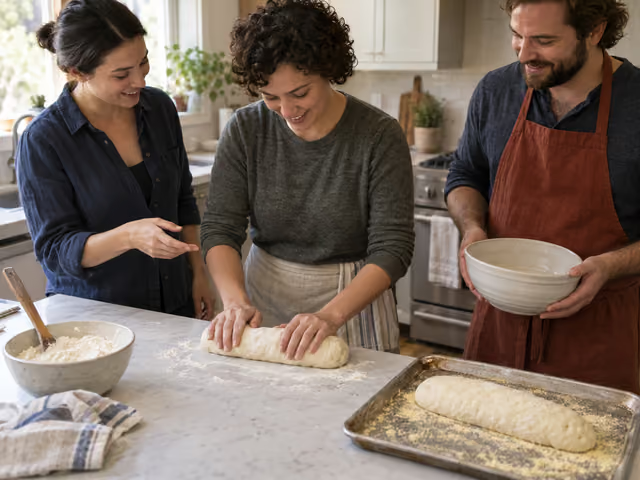
After the first rise, gently press out the dough's gas and divide it into two similar pieces. Pat each into an oval about 6 by 8 inches. This gentle deflation is part of the method, not a mistake. Two people can each shape a loaf; with three or four, work in pairs and let everyone see the demonstration.
Fold and seal
Fold one short end into the middle, then the other over it, making three layers. Press the open edge closed with the heel of a hand. Gently roll into a log about 10 inches long. Repeat for the second loaf. Ask before helping with someone else's dough; explain a loose seam rather than pulling their hands into place.
Set the tray
Dust the metal baking sheet generously with cornmeal, using oven-rated parchment underneath if desired. Set both logs seam-side down, separated enough that they can expand without touching. Lightly cover with oiled plastic wrap, oiled side facing the dough. Keep the tray on a stable surface away from the hot-oven path.
Wait for puffiness
Allow about 45 minutes for the second rise. The loaves should look puffy; gently poke the side of one with a finger and look for the indentation to remain. If it springs straight back, wait and check again. Toward the end, the baker preheats the empty oven to 450°F/232°C. Remove any proofing bowl first. No wrap goes in the oven.
Score, bake and check both loaves
Remove the wrap. Sift a thin flour dusting over the puffy loaves, then make three or four diagonal cuts about ½ inch deep in each with the sharp knife. One comfortable knife user does the scoring while everyone else keeps hands clear. The cuts give expanding dough a planned place to open. This main format does not add water or a steam pan to the oven.
The baker loads the tray and bakes at 450°F for about 20–25 minutes. Keep someone responsible for the oven throughout. Look for golden crust; with mitts protecting against the hot tray and bread, a loaf's underside should sound hollow when tapped. Check the center of each loaf with the probe thermometer for at least 190°F/88°C. If a loaf is below that, continue baking and check again. Appearance alone does not settle whether both are finished.
Once done, switch off the oven and leave the loaves inside for five more minutes with the door slightly open, keeping people clear of the hot door. Move them to the cooling rack. Keep hot trays on a heatproof surface. Let the loaves cool before slicing or packing; a steaming-hot center is not ready for the shared tasting. Cooling takes its own time, and wrapping warm bread traps moisture.
Share the bread and finish together
When cooled, one person slices on the clean serving board while others set out plates. Share plain slices, or use a topping everyone has agreed to bring. People may pass on eating. Compare the crust and crumb kindly and choose one thing to try next time. There are no points, judges, ties or best-loaf prize; different shapes can be equally enjoyable.
Agree who takes which portions before packing. Wrap the cooled bread for a couple of days at room temperature, or freeze it for longer storage. The gathering is finished when the bread is shared or packed, the oven is off and the tools, counter and flour-contact surfaces are cleaned. Wash hands after handling raw flour or dough and clean utensils before they touch the baked bread. Do not taste raw dough, even though this recipe has no eggs.
Keep one recipe and useful jobs
A measured first batch gives everyone a common starting point. Resolve quantity disputes before mixing by checking the ingredient list and the separate reserved flour. During kneading, a little tackiness is not a reason for each person to add another handful. If shaping feels unfamiliar, demonstrate one fold slowly, then give the other person a turn. An imperfect seam can be pressed shut before the second rise.
Do not turn the wait into an invented speed contest or shorten fermentation because someone wants to win. The baker has the final call on hot-tray handling; dough readiness and temperature checks determine the baking steps. If crusts brown unusually fast, check the actual oven temperature with an optional oven thermometer rather than copying another person's oven settings. If unsure about a failed batch, pause and use King Arthur's baking help.
Offer measuring, reading or cleanup roles to anyone who prefers them. Hand kneading takes effort, and the complete session includes standing counter work and a hot oven; a kitchen activity is not a promise of fully seated access. The group size here is a hosting choice for one shared batch, not an official recipe limit. Do not expand it by crowding more people around the scoring knife or oven.
Already know the game?
Ideas & Twists
Choose a variation together before you start.
Bread baking together · See main rules
King Arthur's optional steam methodAdd steam for a crustier bake
Choose this before preheating and only if your oven instructions permit it. Add a plain cast-iron skillet, kettle or saucepan, one cup boiling water and long protective oven mitts. The baker places the empty skillet on the lowest rack while the oven preheats to 450°F, with the bread tray above it. After scoring and loading the bread, the baker carefully pours the boiling water into the skillet and closes the door, keeping face and arms away from the burst of steam. Everyone else stays back. Do not substitute glass or ceramic, splash the glass door, or pour onto the oven floor. Leave the hot steam skillet in place until cool. Dough, both rises, bake checks, five-minute oven finish, cooling and sharing remain the same. This optional crust change adds a steam-burn hazard; skip it if the baker cannot do it comfortably.
About this guide
The current online PJ Hamel recipe supplies the two-loaf formula and bake sequence. This guide chooses hand kneading and leaves the recipe's optional steam out of the main format. The 2–4-person roles, cooling-before-sharing finish and unscored gathering are host choices. Added steam is a source option; the one-loaf variation is a disclosed, untested arithmetic half batch. This guide does not import sourdough, bread-machine or Dutch-oven timings.
Ready for something different?
Find another game →