

The quick version
Inspect and sort the clothes before anyone chooses. Draw a picking order, take up to one item each for two rounds, then browse freely one item at a time. Keep only clothes you intend to wear, return unwanted try-ons, and finish by reclaiming or packing every leftover.
Saved on this device only — clearing your browser's cache or site data removes them (no account backup).
Make a useful shared wardrobe
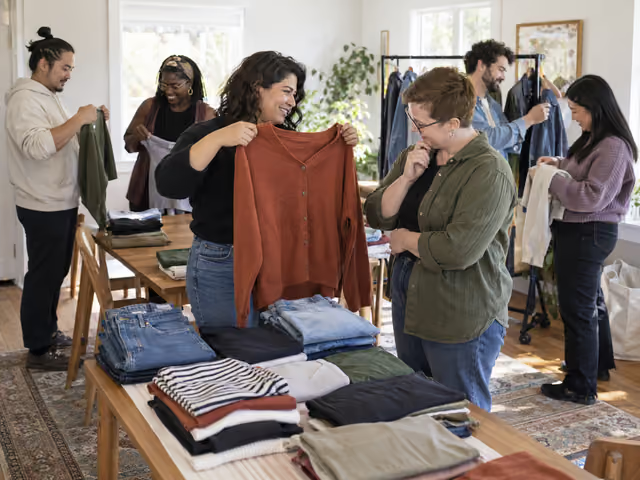
This is a suggested indoor friends' format for 4–12 people, including the host. It combines free-swap practices with the selection process below; it is not an official GrowNYC event or a universal clothing-swap rulebook. Before inviting people, choose opening and closing times, who helps sort and who handles leftovers.
Ask contributors to bring up to five adult outerwear or everyday clothing items they own and are willing to release. Wash and dry them first, empty pockets and check seams, fasteners and condition. Accept wearable pieces with no stains, holes, strong odors or broken closures. Keep underwear, swimwear, shoes, accessories and damaged textiles out of this main format. The host checks contributions with their owner; declined items stay with that person rather than entering the leftover pile.
People may join without contributing, provided the group has enough clothes to make a shared pool worthwhile. Contributions do not buy extra turns or guarantee an item in return. Ask privately which sizes or types would be useful and whether the available clothes offer real options. No one has to disclose body measurements. If the pool offers little for several guests, change the plan before the gathering rather than promising everyone a find.
Bring clean tables or other stable display surfaces large enough to avoid deep piles; paper, pens and removable tape for category and contributor labels; one numbered paper slip per participant; one carry bag per person; and enough spare bags to contain all unswapped items. Write the contributor's name on a removable label for each piece so leftovers can be returned. Group tops, bottoms and outerwear separately, then by the sizes written on their tags; identify untagged items as such rather than guessing. Do not sort people into gendered sections. Keep entrances and walking space clear. A rack and hangers, mirror, seats and a private changing area are useful additions, not requirements.
Agree before collecting clothes that unclaimed pieces will either return to their contributor or go to a named recipient who accepts these items and will give them away. Confirm acceptance, capacity and transport first. If no recipient is confirmed, each contributor takes their leftovers home. At this gathering there is no entry charge, buying, price bargaining, direct trade requirement or taking items to resell.
Give everyone a first look, then choose
Open the display together
Once sorting is finished, explain the condition, personal-use and leftover agreements. Let everyone look without removing or reserving anything. Keep personal belongings and already-owned coats away from the swap surfaces. No one, including the host or sorting helper, gets an early pick.
Draw an order
Fold slips numbered 1 through the group size alike, mix them face down and have everyone draw one. Starting at 1, each person may choose one item to inspect or try, or pass. Keep at most one undecided item aside, separate from any clothes you have already confirmed you will keep. If it does not suit you, return it to its display; your turn is still used. A pass also uses the turn.
Run a second round
After everyone has had a turn, start with number 2, continue upward and finish with number 1. Each person may again choose up to one item or pass. An item returned by someone else is available on your turn. Finish both rounds even if some people pass; if the display empties, go directly to cleanup.
Browse freely
After the two rounds, the host opens general browsing. Handle one undecided item at a time, then keep it or return it before considering another. Keep only pieces you actually intend to wear; do not gather a pile to sort later. There is no total take-home quota or requirement to match what you contributed. A confirmed choice leaves the pool, but you can return it during the gathering if you change your mind.
Close and clear
At the agreed closing time, stop new selections and return every undecided try-on. Give contributors a final chance to reclaim their unswapped pieces using the labels, then pack only the agreed donations. Each participant checks pockets and bags for their belongings and helps clear the display. The swap finishes when every remaining item has a person responsible for it and the space is restored; there are no points, winner or overall tie.
Show one inspected shirt and place it with the other tops. Explain: 'These are freely offered to the group. We will all look first, then take one turn each before anyone takes more.'
Settle claims and make passing comfortable
During the ordered rounds, only the person whose turn it is can claim an item. In open browsing, an item someone is actively considering stays with them until they decide. If two people reach for an unclaimed item together, ask whether one is happy to yield. Otherwise, mix those claimants' numbered slips face down and draw one: that person gets first consideration, not an obligation to take it. If they decline, offer it to the other claimant. Do not pull clothes out of someone's hands.
Keep try-ons voluntary. A private room or screen can help; otherwise people can compare sizes and hold garments against their clothed body. Ask before giving fit advice, taking photos or touching another person. Size tags vary between makers, and nobody owes the group a body comparison or explanation for passing. An optional seated presentation changes the movement requirements; the main browsing format involves standing and short moves between displays.
If an item was put out by mistake, pause and return it to its owner; use a separate personal-belongings area to prevent repeats. Resolve condition questions privately with the contributor. Do not change the selection rules midway to reward expensive brands or larger contributions. If someone starts stockpiling or taking items for resale, pause their selections and remind them of the agreement; ask them to return undecided items before continuing.
A good swap can include conversation, helping someone find a useful piece and giving things away, even when you take nothing. Leave unwanted clothes on the display, not scattered in the changing area. Remove temporary labels when packing confirmed choices. A claimed piece that later fails to fit can be freely passed on; do not promise that the original giver will accept returns after the event.
Already know the game?
Ideas & Twists
Choose a variation together before you start.
Clothing swap · See main rules
House suggestion · seated selectionShow and pass
Replace browsing with a seated circle and one shared presentation surface. Everyone brings a seat; the host holds up one garment, reads its tag size and passes it only to people who ask to inspect it. Take claims in the same drawn order, moving the starting number forward by one for each garment; the first interested person keeps it or declines before the next is offered it. No claim means it goes on the leftover surface. Present every item once, then offer declined items once more before the usual reclaim-and-pack finish. Keep the free, condition and personal-use agreements. This adds seats and host assistance and does not require participants to walk between displays.
Clothing swap · See main rules
House suggestion · broaden the poolAccessory options
Add a separate display for clean scarves, belts and bags, with the same five-item contribution cap covering clothing and accessories together. Inspect closures and condition, label contributors, and exclude worn-out pieces. A choice from either display uses the same one-item turn; do not give an extra accessory pick. Keep both ordered rounds, then the one-undecided-item browsing rule. Confirm that the leftover recipient accepts accessories too, or return them to their contributors. This offers options beyond clothing sizes but does not guarantee a useful find.
Clothing swap · See main rules
House suggestion · focused contributionsNext-season wardrobe
Before invitations, choose one named season or use, such as winter layers or workwear. Ask for up to five wearable pieces in that category only and check likely sizes privately. Decline off-theme contributions before sorting; do not quietly expand the theme at the event. Run the same two selection rounds, open browsing and leftover finish. Keep participation free even for a guest with nothing in the chosen category. If the focused pool has too few useful pieces, broaden the invitation before meeting rather than making guests choose unsuitable clothes.
About this guide
Clothing swaps have organizer-specific rules rather than one governing edition. The free reuse and condition principles come from the linked organizer and county guidance. The 4–12 range, five-item cap, two rounds with a rotating start, claim draw, contributor labels and three variations are this guide's house suggestions. Swap Positive uses a different disputed-item remedy; Radical Clothes Swap has its own intake limit and clothing scope. The supplied GrowNYC PDF is currently unavailable, so its exact edition and detailed mechanics are not asserted or imported. This is an independent friends' swap, not an event operated by those organizations.
Ready for something different?
Find another game →