

The quick version
Agree on the route, turnaround deadline and return plan before leaving. Walk together at the pace of the person who needs the most time, stop when anyone needs a break, and return by the same trail. Finish when everyone is back at the agreed trailhead and your outside contact knows you have returned. There are no points, winners or ties.
Saved on this device only — clearing your browser's cache or site data removes them (no account backup).
Choose the route before inviting the group
Share the trail name, trailhead, round-trip distance, elevation gain, terrain, expected conditions and intended stops. Ask each friend about their experience and what they can comfortably walk. Pick for the least experienced member; choose an easier route if the group cannot agree. This format excludes scrambling, snow travel and unbridged water crossings requiring special skills.
Use the land manager's current route information. Check closures, weather, daylight, group-size limits, parking, permits and any wildlife or food-storage requirements. Arrange transport to and from the same trailhead; confirm who has keys and each person's ride home. Identify an easier alternative or cancel if conditions are unsuitable.
Mark the outward route and return trail on a physical map. Choose a destination, a turnaround clock time and an expected return time with room for the walk back, breaks and delays before dark. Tell an outside trusted contact the route, people, vehicles, return time and when to seek help if you fail to check in. Agree on the local emergency contact and how to reach help where mobile service is absent.
Pack for the return as well as the view
Each person needs a daypack, trail-appropriate footwear, enough drinking water for the route and conditions, ready-to-eat food plus extra, and personal medications. Determine water quantities from local guidance before departure; do not count an untreated stream as drinking water. Carry treatment equipment if your water plan uses natural sources. Trekking poles are optional.
Check the ten essential systems: navigation with a physical map and compass you know how to use; sun protection; extra weather layers and rain shell; headlamp with spare power; first-aid supplies; matches or lighter and fire starter subject to local restrictions; basic repair tools; extra food; water and any required treatment; and emergency shelter such as a bivy or emergency blanket. Pack a whistle, a rubbish bag and any locally required toilet supplies. Fire equipment does not authorize lighting a fire.
For this format, carry a charged phone for emergency contact where service exists and spare power. A phone map does not replace the paper backup. Arrange an appropriate emergency communication method for a route without service; know how to use it before leaving. Every participant should have essentials with them; assigning a navigator does not make everyone else dependent on one person's pack.
Meet, walk, turn back and check out
Start with a trailhead check
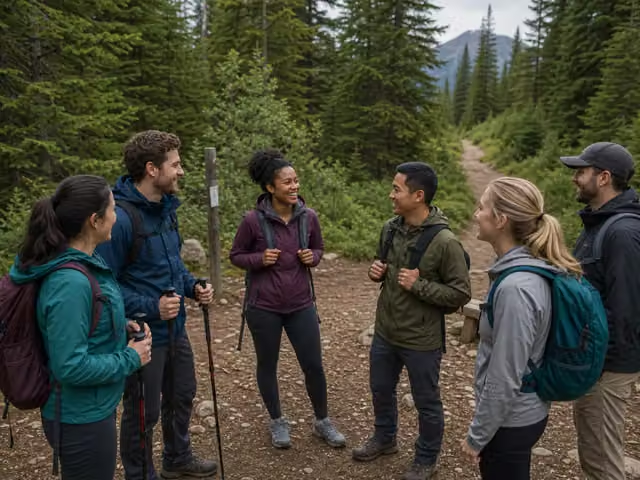
Count everyone, check packs and read the trail sign together against your map. Confirm the return deadline and point out the exact return trailhead. Choose a navigator familiar with the route and a rear checker who notices gaps. With two people, stay together and check each other. The first action is to identify the correct signed trail, then set off together.
Walk as one group
Let the person needing the gentlest pace walk near the front; the navigator confirms direction without pulling ahead. Pause at every junction until everyone is present and knows the next direction. Give each person a real break before restarting, including whoever arrived last. Ask about water, feet, energy and comfort; shorten the outing rather than making someone hurry to catch up.
Make the return decision
At the destination, rest and check the clock, conditions and the group's energy before retracing the trail. Turn around earlier if you reach your deadline or someone cannot comfortably continue. Reaching the viewpoint is optional; returning is part of the route. In this suggested format, a request to turn back ends the outward leg for everyone. Do not send a tired friend back alone.
Finish at the trailhead
Follow the same route back with the same pace and junction checks. At the agreed trailhead, count everyone, check that all have their belongings and rides, and tell the outside contact you are back. A shortened walk ends the same way. There is no score to settle and no tie-break activity; another hike starts with a fresh route and conditions check.
We stay together, wait at junctions and give everyone a proper break. Anyone can ask to stop or turn back. Our turnaround time is on the trip plan; the destination is optional.
Handle pace disagreements and trail surprises
If a faster friend wants to continue alone, remind them of the shared format and shorten the route if needed. Choose a different outing next time for a different pace. A majority vote does not overrule someone's need to return. If the sign and map disagree, stop and confirm your location; do not choose a shortcut or an unverified side trail.
Stay on established trails. Make room for other parties on durable ground without trampling plants; let faster hikers pass and yield to uphill hikers when descending. Follow posted priorities around bikes or horses. Keep speakers off, take rubbish and food scraps out, leave natural objects where they are, and observe wildlife from the locally required distance.
If someone becomes separated, stop and gather the group. When safe, return together to the person's last known location; do not scatter into an off-trail search. Contact emergency services or the ranger station for help. If you are lost and cannot safely confirm a way back, seek help and stay put unless your location presents immediate danger. For a serious injury, call for help with your location and the problem, follow dispatcher guidance and use only first-aid skills you know. Emergency planning and route-specific advice are essential; this guide is not first-aid or wilderness training.
Already know the game?
Ideas & Twists
Choose a variation together before you start.
A day hike with friends · See main rules
Suggested outing variationOne-viewpoint outing
Choose a closer viewpoint on the same out-and-back trail before departure and make that the destination. Keep all preparation, pace and return checks. This changes the route commitment, so share the new distance and elevation rather than describing it as automatically easy.
A day hike with friends · See main rules
Suggested outing variationPhoto pauses together
At agreed durable stopping places, pause for anyone who wants to photograph the view. Those who prefer not to take pictures can enjoy the stop. Restart only when everyone is ready, keep the return deadline and take no off-trail detours for a better shot. A camera or phone camera is optional extra equipment.
About this guide
This is a suggested social day-hike format, not an official competition or fixed trail itinerary. The two-to-eight range, out-and-back route, group roles, whole-group turnaround and variations are hosting choices. Park guidance supports preparation, staying together and emergency planning; local restrictions and conditions control the actual hike. Hikers' discussions informed the proper-break advice. No universal duration, water quantity or accessibility claim is made.
Ready for something different?
Find another game →