

The quick version
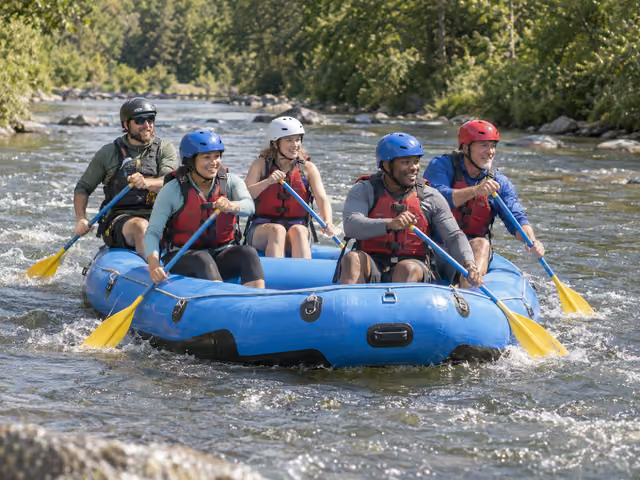
Ask an outfitter for a beginner shared-raft booking for 2–6 friends with a guide in the boat. Confirm participant suitability, cost, clothing, meeting time and return arrangements. Check in, get fitted equipment, hear the complete briefing and practice the guide's calls. Paddle only as instructed, let the guide manage the river, then land where directed and return the equipment. There is no score or winner.
Saved on this device only — clearing your browser's cache or site data removes them (no account backup).
Book a trip that fits the whole group
This format is one beginner day outing for 2–6 friends, sharing a paddle raft with a professional guide aboard. The guide is additional to the friend count. The outfitter must confirm that the group fits the raft with the guide; smaller parties may share with other guests. Group size here is a hosting choice, not a universal raft capacity or booking minimum. If the outfitter cannot seat everyone together, agree a different arrangement before paying.
Tell the booking staff that everyone is new if that is the case. Each person should speak privately with staff about swimming confidence, relevant health concerns, required medication, communication needs and assistance getting into or out of the boat. Get specific answers about eligibility and available support. Do not promise that a seated raft ride is accessible to everyone, or pressure an uncertain friend to participate.
At New River Gorge, ask about the gentler Upper New rather than assuming the Lower Gorge is the same trip. NPS distinguishes the two sections, and River Expeditions sells beginner Upper New outings. This guide uses that as a researched example, not as a guarantee for any water level or any other river. Choose a properly licensed operator where licensing applies, with a trained in-raft guide and a route appropriate to your group that day.
Before booking, confirm the exact trip and date, total price, deposit and cancellation terms, any participant forms, arrival time, trip duration, raft assignment, shuttles, included food, and clothing or rental needs. Ask what happens if conditions change or a participant opts out. The outfitter can change or cancel the route; a paid reservation does not override that decision. Share the meeting and return plan with everyone, using a paper copy if needed, and arrange travel to the outfitter's base.
Complete preparation: arrange one operator-approved shared raft with room for all assigned passengers and the guide; one suitable single-bladed paddle, fitted river life jacket and properly fitted helmet for every person aboard; and the operator's route-appropriate rescue, first-aid and emergency communication equipment. Require the operator to confirm the equipment and staff arrangements; friends do not assemble or operate the rescue kit.
Each friend brings secure operator-approved river shoes, clothing selected with the outfitter for water and air temperature, any prescribed personal medication in suitable waterproof protection, and agreed drinking water and sun protection. Confirm whether thermal gear must be rented and whether a meal is supplied. Keep dry clothes and a towel at the return base, and use the operator's advised storage for keys, valuables and anything carried afloat. A participant phone is unnecessary on the river. Agree the return rendezvous and an outside contact who knows the expected check-in time.
Learn the calls before launching
Check in with time for the required forms, equipment fitting and complete safety briefing. Tell the trip leader about any concern that has changed since booking. Have staff check the life jacket, helmet, clothing and footwear. Leave fitted protective equipment on as directed; report a loose strap or uncomfortable fit before entering the water.
The guide assigns seats and demonstrates boarding, body and foot placement, paddle grip, forward and backward strokes, stopping, and any other commands used on this trip. Ask the guide to repeat or demonstrate anything unclear. The guide also teaches the trip-specific response to someone entering the water and explains how to signal a problem. Hear that instruction in person; this page does not teach independent whitewater navigation or rescue.
Your first action afloat is a short practice at the guide's chosen place: respond together to a forward-paddle call, then a stop call. Let the guide correct the timing and grip before continuing. Practice is unscored and remains under the guide's control. If someone cannot hear, understand or perform the required actions, tell the guide before the trip proceeds.
Paddle together and follow the guide
Respond to the call
There are no individual turns. The guide chooses the line and calls when to paddle, stop or change an action. Use the demonstrated stroke together; do not add steering strokes or keep paddling after a stop call. If you miss a call, ask at the next suitable moment rather than inventing an instruction.
Stay with the boat plan
Keep the assigned seat and fitted protective equipment. Do not switch seats, stand, jump in, splash another raft or create a challenge during a rapid. Tell the guide promptly if someone is frightened, cold, tired, hurt or having equipment trouble. The guide decides where and how to pause, adjust or end the trip.
Enjoy the quieter stretches
Talk and look around when the guide says it is appropriate, while remaining ready for the next call. A stop, swim, photograph or shore break happens only if the operator offers it and the guide authorizes it that day. Do not treat a calm-looking stretch as permission to leave the raft.
Land and close the outing
At the designated take-out, wait for the guide's landing and exit instructions. Follow the booked shuttle or return arrangement, hand back the equipment, collect stored belongings and check that all friends are accounted for. Tell the outside contact you have returned. The outing ends after check-out; it has no points, winning team, race or tie.
Keep the group comfortable and decisions clear
Ask about comfort before booking, again at check-in and after the practice strokes. A request for a gentler outing is useful information for the outfitter. Anyone may decline; discuss the practical consequences with staff rather than letting friends decide river suitability for that person. Nobody has to prove courage by agreeing to a harder route.
If friends disagree about route, seating or an optional maneuver, tell the guide. The operator and guide decide what is suitable, and an optional activity needs willing participants. If a command is unclear, request a demonstration before continuing. If equipment fit changes, report it instead of loosening or removing the equipment on your own. Report an incident or illness promptly to staff.
Booking disputes belong with the operator using the confirmation and current terms. A late friend does not entitle the group to delay the whole trip. If the route changes or the outing is canceled, settle the revised schedule and any refund question with staff; do not improvise an unguided substitute. If someone enters the water, follow the briefing and guide's directions immediately; friends must not invent a rescue plan from this guide.
Pack out your litter and respect the agreed shore stops. After check-out, invite everyone to name one moment they enjoyed and one thing they would ask about next time. This is a conversation suggestion, not a scored contest. An exciting story or a reassuring online comment does not establish that a river trip is suitable for your group.
Already know the game?
Ideas & Twists
Choose a variation together before you start.
Guided rafting · See main rules
Optional booking changeShorter express outing
Choose a beginner express itinerary instead of a full-day itinerary before paying. Reconfirm total time including check-in and shuttles, food and stops; the reviewed River Expeditions Upper New Express excludes lunch, interpretation stops and inflatable kayaks. Keep the guide aboard, briefing, protective equipment and response to calls unchanged. Finish at its booked take-out and complete check-out; do not shorten a full-day trip by choosing your own exit.
Guided rafting · See main rules
Optional booking changePrivate friend raft
Ask for a raft reserved for your friends and an in-boat guide instead of joining other customers. Proceed only if the outfitter confirms capacity, price and suitability. Keep the beginner route; a smaller or private raft must not be selected for a deliberately harder ride. All friend counts, equipment, guide control and the return finish still apply. This is a reservation request, not a promise every operator offers private rafts.
Guided rafting · See main rules
Optional booking change and host suggestionNature-focused day
Book a beginner full-day itinerary that explicitly includes nature or history interpretation and agreed shore stops. Ask about this when reserving: an express trip may omit it. During guide-approved quiet stretches, each friend can ask about one river feature; no spotting score or compulsory speaking is added. Keep all guide calls and safety arrangements, and finish through that itinerary's take-out and return. Food and longer-trip clothing needs must be reconfirmed.
About this guide
This is an original social hosting format for a booked beginner shared raft, not a governing-body rules edition. NPS river guidance and River Expeditions' current public trip, FAQ and policy pages were opened on October 2, 2026. The 2–6 friend range, practice sequence, helmet requirement throughout and discussion ideas are this guide's choices; actual eligibility, raft capacity, equipment, itinerary and directions are the operator's. No boat-driving, rescue or unguided rafting instruction is supplied. Outfitter details are examples to reconfirm, not universal inclusions.
Ready for something different?
Find another game →