

The quick version
Book a beginner outing for everyone and confirm the boats and gear. At the meeting point, count the group, fit and fasten life jackets, and listen to the guide's entry, signals and capsize briefing. Practise near the launch before following the guide. Turn back when the guide calls it or anyone needs an earlier return. Finish with everyone ashore, counted and checked out, then hand back the equipment. There are no points or winners.
Saved on this device only — clearing your browser's cache or site data removes them (no account backup).
Book the whole group and agree on the plan
This suggested format hosts two to five friends, plus the operator's on-water guide. Book a beginner trip on calm, sheltered water, starting and finishing at the same staffed launch in daylight. Ask the operator to confirm that the route, current conditions, guide staffing and equipment suit your group. This is a social outing, not an ACA course; follow the booked operator's participation requirements.
Ask friends privately about paddling experience, swimming confidence, comfort on water and any help they need to board or paddle. Pass relevant needs to the operator with permission before booking. Give everyone the actual itinerary, cost, clothing list, arrival time, return time and cancellation terms. Let each person choose whether to take part; arrange a shore meeting if someone prefers to sit this outing out.
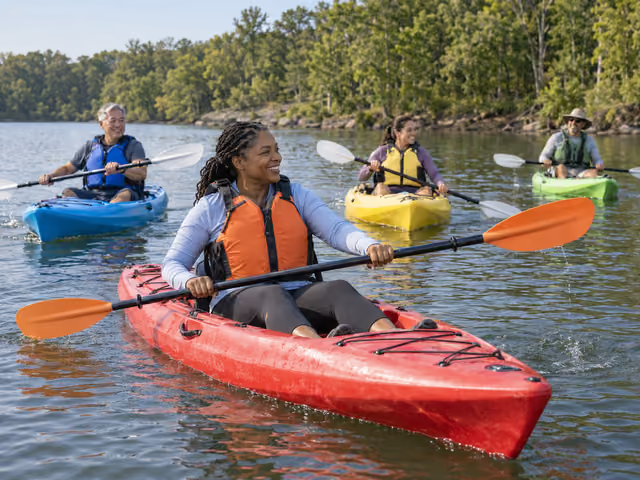
Reserve one single sit-on-top kayak, one correctly sized double-bladed paddle and one suitable life jacket per paddler. Confirm boat weight limits and fit with the operator; never squeeze an extra person into a boat. Ask what is supplied, including whistles, dry storage and drinking water. Tandems are a separate variation below, so confirm the booking rather than discovering the allocation at launch.
Share the exact meeting point, parking or transport arrangements, operator contact and ride home. Confirm the planned route, latest turnaround and expected check-out time with the guide. Leave a float plan with a trusted person staying ashore: who is going, operator contact, launch and return place, route, expected return, and when and whom to call if the group is overdue. Check back in after returning. Ask how cancellation or a shortened trip will be communicated.
Bring what you need to get wet and come back
Each friend needs drinking water, clothing appropriate to immersion in that water, secure footwear accepted for the launch, and sun protection. Ask the operator about water temperature and required thermal protection before the day; warm air does not establish warm water. Pack dry clothes and a towel for after landing. Bring personal medication and tell the operator about relevant requirements privately.
Use the operator's recommended dry storage for anything carried afloat; check whether it is supplied. Leave unnecessary valuables ashore. The host carries a charged phone in waterproof protection for meeting and return coordination. Tell everyone where the car keys will be kept. A camera is optional and stays stowed while launching, practising or responding to instructions.
At check-in, count friends against the booking and complete the operator's paperwork. Have staff check each kayak, paddle, seat and foot position. Get an appropriate approved paddling life jacket fitted, fastened and checked by staff; wear it for the entire time afloat. Make sure each paddler has a whistle and knows the agreed signals. Ask the guide to confirm the trip's rescue equipment, first-aid supplies and working emergency communication method; your host phone is not a substitute for their on-water plan.
Learn at the launch, paddle and return
Hear the briefing before anyone launches
The guide identifies the permitted route, hazards and safe landing places, then explains spacing, stop/regroup and help signals, what to do if separated, and how an early return works. Ask them to explain and demonstrate entry and exit for these boats and what you should do if a boat capsizes, including how to call for help and follow their recovery instructions. Repeat any unclear signal back. If the preparation does not meet your needs, stay ashore and resolve it before launching.
Board when the guide calls you
The first on-water action is a supervised launch, one boat at a time. Wait on shore clear of the landing area until called, follow the demonstrated boarding method, and remain seated once afloat. Enter the guide's designated practice area rather than paddling ahead. Take turns receiving coaching while the rest wait as instructed, leaving room for each paddle.
Practise moving and stopping
With the guide beside the group, use their demonstration to practise short forward strokes, a turn in each direction and stopping. Tell them if the seat, life jacket or paddle feels wrong. Each person shows the guide they can control their boat before the group leaves the launch area. Someone who needs more practice can stay in that area with the guide instead of being pressed to continue.
Follow the guide at a shared pace
Once the guide says everyone is ready, follow the agreed route within their boundaries and spacing. Paddle steadily, leave clearance for other boats and keep the group together. At a regroup, wait until everyone has arrived and is ready before continuing. Tell the guide promptly about tiredness, cold, pain or worry. The guide chooses suitable places for pauses and any landing; nobody makes an independent detour.
Turn around with enough energy to get back
The guide calls the return at the agreed turnaround or earlier for conditions or participant needs. Anyone can request an earlier return; the guide manages it and keeps the group supervised. Do not send a tired friend back alone or extend the route by majority vote. Follow the guide back to the staffed launch and wait for your landing turn.
Land, count and hand back
Follow staff instructions to exit and move clear, keeping life jackets on until safely ashore. Count every friend, tell staff everyone has returned, and report damage or missing gear. Empty and return boats, paddles, life jackets and borrowed storage as directed. Check belongings and rides, then notify the float-plan contact. That check-out is the finish, including after a shortened outing. No score, race placement or tie-break is needed.
We learn near the launch, stay with the guide and speak up early if we need help or want to return. Seeing the whole route is optional; getting everyone checked out is our shared finish.
Keep friends comfortable and decisions clear
Agree before launch that faster paddlers will wait as the guide directs. Encourage questions rather than turning coaching into a competition. If friends disagree about extending the route, keep the booked plan and let the guide decide the safe return. If someone becomes uncomfortable, say so to the guide immediately; let them manage support and landing rather than improvising a boat swap afloat.
If a boat tips or someone needs help, use the taught help signal and alert the guide. Other beginners keep clear, remain available and follow instructions rather than attempting an unpractised rescue or chasing loose gear. In an emergency, use the operator's communication plan and emergency services; follow the guide or dispatcher's directions.
Let the operator reassess weather, wind, water temperature and traffic on the day. Accept a shorter route, a delayed launch or cancellation when needed. Keep paddles and voices considerate, leave wildlife space and land only where the guide permits. Photos happen only at an approved pause when the group is settled; ask friends before photographing them. Finish with a brief shore recap of what everyone enjoyed and what they would like to learn next.
Already know the game?
Ideas & Twists
Choose a variation together before you start.
Kayaking · See main rules
Suggested booking variationTandem teamwork
Book operator-approved two-seat sit-on-top kayaks in advance instead of a single for every person. Agree willing pairs; an odd group needs a booked single for the unpaired person. Everyone still gets their own paddle and fitted worn life jacket. Let staff allocate seats for the boat and paddlers. Practise together near launch: the front paddler sets a steady rhythm, the rear follows it and steers as taught. Say when you need to pause; never swap seats afloat. Keep the guide, route, signals, return and check-out unchanged.
Kayaking · See main rules
Suggested shorter formatLaunch-area first outing
Before booking, ask the operator for a guided session contained within their sheltered launch practice area. Replace the outward route with coached starts, stops and turns, with rests as directed. Agree the session end and landing sequence before launch; there is no destination to reach. Keep the full equipment, briefing, float plan and counted check-out. Use this option only when the operator can provide the session and supervision.
About this guide
The two-to-five-friend single sit-on-top outing, shared finish and variations are suggested hosting formats. ACA resources inform preparation and coached beginner skills; this outing does not claim ACA certification. The booked operator supplies boat-specific instruction, local limits and emergency procedures. The tandem rhythm suggestion is supported by beginner community discussion. Whitewater, surf and independent rescue instruction are separate activities.
Ready for something different?
Find another game →