

The quick version
Choose a rink session that accommodates beginners and confirm rentals, protective gear and instruction. Meet off the floor, fit the equipment and learn the venue's direction and practice area. Begin with balance, short glides and an instructor-demonstrated stop. Those ready for circulation join the flow; others practice or rest. Regroup off the floor, choose another block or finish, then change into shoes and return rentals. There are no points or winners.
Saved on this device only — clearing your browser's cache or site data removes them (no account backup).
Choose the session and bring the right gear
This host plan supports 2–6 participating friends; it is a practical small-group range, not a rink capacity limit. Confirm the actual session, admission, booking requirements, rental sizes, protective-equipment availability and any restrictions with your destination. Ask where beginners practice and whether first-timers can receive instruction. If instruction is unavailable, choose a learn-to-skate session or book a lesson before attempting circulation.
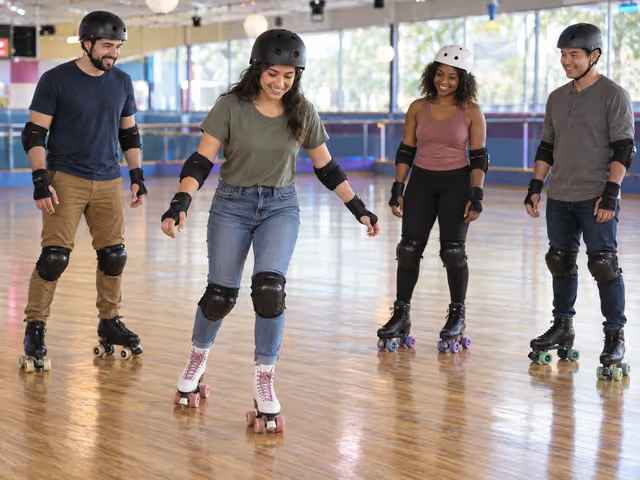
Each skater needs fitted quad skates with functioning toe stops and socks, plus a properly fitted skating helmet, wrist guards, knee pads and elbow pads. Protective gear is required in this host plan even if the rink does not require it. Rentals do not imply pads or helmets are included. Keep ordinary shoes for leaving the skating area and bring water for permitted off-floor breaks. A phone may be needed for the venue's booking or check-in; none is needed for the skating format itself.
Choose an off-floor meeting place and a departure time no later than the end of your admission session before anyone puts skates on. Agree that a person can rest, observe or stop participating at any time. Non-skating companions remain in areas the rink permits; do not add them to the skating headcount. Ask before offering physical help, photographing or filming anyone.
Fit the skates and learn to stop first
Put equipment on while seated. Ask staff to check rental fit and any loose, damaged or uncomfortable parts; do not modify rentals yourself. Secure laces and straps so they cannot trail under wheels. Change to another size or stop if the fit hurts. With personal skates, follow the venue's inspection and clean-wheel requirements.
Start only in the designated practice area. Bend your knees, keep your feet about shoulder-width apart and bring your chest slightly forward rather than leaning back. Look where you intend to go. Try small marching steps, then gentle alternating pushes into a short two-foot glide. Keep the distance short enough to practice stopping before taking another push.
Have the rink's instructor demonstrate a suitable stop and how to get down and back up on these skates. Rehearse the stop at barely rolling speed under their guidance. Stopping methods differ in balance demands; do not treat a front toe stop as a brake you can stamp on while moving. If you cannot yet slow, stop and steer in control, stay in the practice area or rest. Progress to circulation is optional, never a promise for the first visit.
Practice, circulate and regroup
Start a practice block
Each person chooses a modest focus: standing comfortably, a short forward glide or the stop just demonstrated. Use the practice space as staff direct. If space is limited, take one attempt at a time while the others watch from a permitted waiting area. Offer encouragement; an experienced friend does not replace the instructor.
Join circulation when ready
Ask staff which direction and lane to use today. Enter only with a gap, follow the moving flow and maintain space. Stay at a speed you can control; avoid weaving across traffic or stopping in a circulation lane. Follow announced direction changes. Ask a floor guard for help reaching an exit or practice area if unsure.
Let friends skate at different paces
Nobody has to keep up or hold a formation. Use separate laps or practice attempts, then meet off the floor at the agreed checkpoint. Do not race, pull a beginner along, make a skating chain or use another person as a brake. Keep conversation, drinks and equipment adjustments in the permitted rest area.
Choose another block or finish
At the meeting place, ask each person whether they want more practice, circulation or a break. Agree the next checkpoint before separating again. End at your agreed departure time, when admission ends, or earlier if the group chooses. An individual may finish sooner; tell the host before leaving.
Close the outing
Exit with the rink's flow, sit down to remove skates and change into shoes. Return rentals and gather belongings. Ask everyone to name a moment they enjoyed or something they want to try next visit. This is recreational participation: there is no scoring, tie, overtime or required number of laps.
Make the mixed-skill outing work
Explain the first action before anybody enters the busy floor: fit the equipment, find the practice area and get instruction. A first-timer's successful block might be a few controlled glides; it need not match another person's laps. Keep the social part in the regrouping, so the slowest friend does not have to skate faster to remain included.
Use staff instructions to resolve lane, direction, equipment and passing questions. Advice about which lane is slow varies between rinks. Some skating communities use a light touch to signal a pass; others find it startling. This group plan uses space and the venue's communication guidance, with no deliberate touching or pushing. If someone repeatedly crowds, grabs or obstructs you, move to a permitted rest area and ask a floor guard to help.
If someone falls, alert staff and give them space; do not surround them or pull them upright. If a person is hurt, exhausted or frightened, stop their skating and seek staff assistance as needed. Skip any twist that the venue will not allow. A shared public rink remains shared: no cones, taped targets, races, floor games or private drills in traffic. This outing requires standing balance and wheeled movement; it does not establish seated, quiet or universal access suitability.
Already know the game?
Ideas & Twists
Choose a variation together before you start.
Roller skating · See main rules
House outing suggestionLesson together
Replace the self-directed first practice block with a booked beginner quad-skating lesson for all participants who want instruction. Confirm places for the exact group, cost, rental equipment and protective gear before choosing the session; instruction is an added requirement, not assumed admission value. Follow the instructor's sequence rather than this guide's practice choices. After the lesson, regroup off the floor and let each person choose practice, permitted circulation or finishing. Keep the same gear and departure plan; there is no score or guaranteed skill outcome.
Roller skating · See main rules
House practice suggestionOne attempt, one observation
Use only a staff-approved practice area, with 2–6 friends and a permitted waiting position clear of other skaters. Replace free practice for one block with a rotation: one person chooses either a short forward glide or the instructor-taught stop, attempts it once at low speed, then returns to the waiting position. Agree a turn order before the first attempt and offer the next friend a turn. Each skater can request one observation from a friend or decline feedback; technical corrections go to the instructor. A person may pass their turn. Finish after everyone has been offered two turns, then regroup and resume the normal outing. No markers, points, races or new maneuvers are added; if space or staff approval is unavailable, use ordinary practice.
Roller skating · See main rules
House mixed-skill suggestionTwo paces, one meetup
For 4–6 friends only, replace the shared skating block with two independently chosen pods: at least two people stay in approved beginner practice and at least two circulate. Everyone chooses freely; nobody is assigned a pod by perceived ability. Agree an off-floor meeting checkpoint before splitting, using an available venue clock or another agreed signal that does not require carrying a device on the floor. Pods follow the normal practice and traffic rules and need not skate side by side. At the checkpoint, regroup, allow anyone to switch pods or stop, then agree one further block or finish. If fewer than two people choose either pod, keep the main outing format. There is no race or comparison of laps.
About this guide
This is a host-authored recreational indoor quad-rink outing, not a competition rulebook, commercial game edition or universal rink policy. The 2–6 range, required protective gear, regrouping format and three twists are house suggestions. Interskate supplies an example of venue traffic rules; your destination's current instructions govern. Castle supplies beginner stance and movement context. Community accounts expose disagreements and learning difficulties, not universal teaching or safety guarantees. Inline, outdoor, derby, speed-racing and artistic-competition formats are outside this guide.
- Interskate · venue safety and traffic rules ↗
- Castle Roller Skating · beginner balance and movement ↗
- r/Rollerskating · first-rink advice and differing lane customs ↗
- r/Rollerskating · passing, touch and personal-space disagreement ↗
- r/Rollerskating · beginner stopping difficulties ↗
- r/Rollerskating · rink etiquette and differing session experiences ↗
Ready for something different?
Find another game →