

The quick version
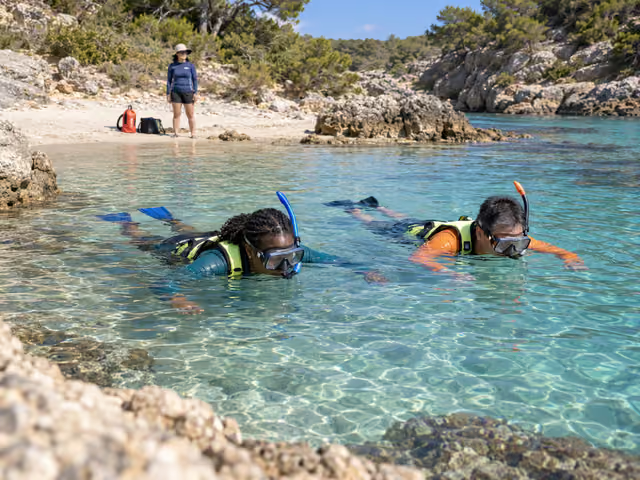
Arrange a qualified snorkeling leader and a separate shore lookout. Check swimming ability, conditions and fitted gear. Brief the entry, exit, route, return time and signals. One friend enters with the leader as a buddy pair; everyone else waits ashore. Keep both snorkel tops above water and stay together inside the agreed boundary. Return on request or recall, count both people out, then decide whether the next outing can begin. Finish with everyone accounted for; there are no points or winners.
Saved on this device only — clearing your browser's cache or site data removes them (no account backup).
Arrange the people and a suitable site
This guide hosts a daylight, shore-based surface-snorkeling outing for 3–8 people total, including a qualified snorkeling leader and a separate shore lookout. With three, the leader accompanies one friend while the lookout stays on land. With more, friends take turns accompanying the leader; only one buddy pair is in the water at a time. This small rotation is our hosting format, not a universal instructor ratio. Agree any operator's staffing requirements before booking.
Choose a recognized snorkeling instructor or guide with current rescue and first-aid skills and knowledge of the site. The lookout must be able to watch continuously, use the emergency communications and follow the leader's rescue plan. A willing friend alone is not a substitute for those skills. First-time snorkelers should arrange supervised instruction and equipment practice before the outing, rather than learn by following friends away from shore.
Every swimmer must be able to swim, float or tread water, and return to the chosen exit in the expected conditions. Tell the leader honestly about confidence, experience and any condition that may affect participation; complete the provider's screening. A flotation vest does not replace swimming ability. Someone who cannot meet these requirements can join the shore conversation without entering. Staying on land or stopping early needs no justification.
The leader selects a permitted, sheltered site with clear visibility, gentle access and an easy exit, away from boat lanes, surf and dangerous currents. Check local restrictions, water quality or wildlife warnings, weather, tides and water temperature before leaving and again on arrival. Identify an alternative exit. High or low tide alone does not establish safe conditions. If the leader cannot confirm the site suits the least experienced swimmer, change the plan or cancel the water portion.
Fit the equipment before leaving shore
Each person entering needs a separate mask that covers the eyes and nose, a snorkel that fits comfortably in the mouth, correctly sized fins, and a fitted snorkeling flotation vest approved by the leader for that person and site. This format uses conventional separate masks and snorkels, not integrated full-face masks. Bring rash clothing or a wetsuit suited to the sun and water temperature. Ask the leader about safe footwear for the entry. Do not bring weights.
Have the leader check fit, straps, buckles, mouthpieces and valves according to the equipment instructions. Move hair out of the mask seal. The leader demonstrates putting on and removing the equipment, normal breathing, getting the face clear of the water, and what to do if water enters the mask or tube. Try these with support in the supervised entry area before moving away; a leak, uncomfortable breathing or anxiety means pause and fix the problem or stay ashore.
The shore team needs a rescue aid and first-aid equipment chosen by the leader, a whistle, a charged working phone with waterproof protection, and a paper participant list and pen. Confirm the local emergency number, precise site location and usable communication before anyone enters. Keep water, towels and dry clothing at the return point. Rental gear is fine when fitted and checked; a shared mask is not an excuse to skip checks between users.
Agree the route, signals and return
Gather everyone where they can hear. Point out the actual entry, main exit, alternative exit and shore lookout. Identify the near-shore area and visible turnaround landmark the leader has chosen; stay inside that boundary even if an interesting animal swims beyond it. Set a latest return time for each pair, with the lookout monitoring the phone's clock or a separate watch. Choose this from conditions and ability, not a promised duration in this guide.
The leader explains and rehearses the signals for okay, stop, help and return. Choose a recall the swimmers can recognize from the entire permitted area; for example, repeated whistle blasts with a waving arm, explicitly agreed for this outing. If it cannot be heard or seen reliably, shorten the area or do not enter. A recall ends the outing immediately. A person asking to stop gets a return, not a vote.
Name the buddy pair before entry and mark them in on the list. The leader stays close enough to notice difficulty and help promptly. The lookout watches the pair throughout, tracks their return time and summons help if needed; looking after bags, taking photographs or chatting must not distract from that role. If the lookout must leave, bring the pair out before handing over. Keep both people at the surface throughout: no freediving, underwater retrievals, breath-holding challenges or hyperventilation.
Enter together, observe and come back
Begin at the entry
The leader checks the conditions once more, then helps their buddy enter slowly at the agreed access. Fit fins at the stable point the leader indicates; do not walk across land in long fins. Stay in the supervised entry area for the breathing and equipment check. Start the route only when both are comfortable and the lookout knows they are leaving.
Look while staying beside your buddy
Swim gently along the agreed route with both bodies at the surface and both snorkel tops above it. Breathe normally through the mouthpiece. Lift your face for normal conversation or the leader's directions, then resume observing when ready. Check your buddy as well as the view; do not follow fish away from them. Keep fins and bodies clear of the bottom, coral and wildlife. Look without touching, feeding, chasing or collecting.
Return at the first stop
Turn back before either swimmer is tired. Return together at the planned turnaround, latest return time, recall or either person's request, whichever comes first. A leaking mask, breathing difficulty, cold, fatigue, deteriorating conditions or lost confidence ends that outing. Alert the leader at once rather than trying to endure a problem for a better view.
Count out before the next pair
Use the planned exit, or the briefed alternative under the leader's direction if necessary. The lookout checks both named people out and asks how they feel. Rest, drink and adjust equipment on shore. Reassess the conditions and brief the next friend before a new entry. Odd group counts work because friends rotate individually with the leader; no one waits alone in the water.
Finish with everyone accounted for
Stop when the agreed outing plan is complete, people have had the turns they want, or the leader ends the session. Check every name against people physically ashore before packing or leaving. Share one thing each person noticed, rinse gear with fresh water as instructed and leave the site tidy. Snorkeling is unscored: there is no tie, winner or distance target.
Keep stopping easy and decisions clear
Before anyone enters, ask who wants an outing, who prefers the shore and who wants a shorter first visit. Keep a simple turn order among those participating. Do not pressure someone to match another friend's distance, confidence or time in the water. The leader needs rest too; a queue does not require continuous outings.
If buddies lose sight of each other, stop the activity, get faces above water, alert the lookout and follow the leader's briefed separation response. Do not dive or search underwater. A missing person is an emergency, not a reason to send an untrained friend after them. If breathing becomes difficult, get the mouthpiece out and face clear, use your flotation and signal for help. The leader and lookout activate the rescue plan and call the local emergency service promptly for distress, a missing person or a person who cannot exit. Untrained onlookers should call for help and follow instructions rather than enter to attempt a rescue.
Settle route or weather disagreements by the leader's decision and the more cautious person's limit. An animal beyond the boundary does not move the boundary. If conditions or staffing change, bring the swimmers out and reconsider the plan on land. There is no failed score for cancellation; finish the gathering with a shore walk or conversation if the site allows it.
Already know the game?
Ideas & Twists
Choose a variation together before you start.
Snorkeling · See main rules
House observation formatOne thing to notice
Before entry, choose one broad feature to notice: fish movement, seaweed shapes or the changing light on the bottom. The leader chooses a route suitable for ordinary viewing; nobody must find a particular animal. Each friend shares one observation after returning, including 'I didn't see that today'. Keep the same buddy, boundary, recall and stop rules. There are no points, collecting or extra swims to complete a list.
Snorkeling · See main rules
House debrief formatShore sketch circle
Add paper and pencils kept dry on shore. After each person returns and is checked out, they can sketch a shape, movement or scene they remember. Friends who stay on land can sketch the shoreline. After the final all-return check, each willing person shows their sketch and describes what caught their attention. Drawing is optional and unjudged; it never takes the lookout's attention while someone is in the water. The water portion and all stopping rules stay the same.
About this guide
BSAC informs the buddy, lookout, equipment and site-planning advice; RNLI informs open-water preparation and emergency communication; NOAA informs wildlife care. SafeWork NSW provides additional preparation and supervision guidance in a workplace context, not a statement of laws applying to every reader. The 3–8 total, leader-and-one-friend rotation, flotation requirement, agreed recall example and two debriefs are this guide's hosting choices. The leader's site plan and any operator requirements govern the actual outing. This guide organizes a guided surface outing; instruction and rescue techniques belong with a qualified provider.
Ready for something different?
Find another game →