

The quick version
Book staff belaying and confirm rentals. Complete the gym's orientation, equipment fitting and instructor checks. Choose an easy route with the instructor, practice the calls and wait for permission to start. Climb, ask for a rest or lowering when needed, and follow the instructor's descent guidance. Rotate after each climb; finish with everyone on the floor before the booking ends.
Saved on this device only — clearing your browser's cache or site data removes them (no account backup).
Book the service before you arrive
Ask a gym with indoor top-rope walls for a beginner session in which staff belay for your whole booking. Give the number of climbers and say who is new. Confirm the date, arrival time, session length, admission, rental shoes and harnesses, orientation, staff availability and total price. Check cancellation and late-arrival terms before paying. A day pass alone may not include a belayer.
This guide hosts 2–4 friends, excluding the staff member. Confirm that your chosen service accepts that group and how much of the booking is available for climbing after fitting. Ask about spectator admission if someone wants to watch. Share any fitting, communication or participation needs with the provider before booking; decide together whether the session suits each person. Anyone may watch, rest or decline a climb.
Wear clothes that allow movement without catching on holds or equipment. Bring water and any items the provider requests for check-in. Complete required registration or waivers, then meet the instructor. Store bags and bottles in the designated area, and follow staff directions about jewellery, loose hair and pocket contents. Chalk is optional where permitted. Use the session's staff belayer rather than assigning friends to operate the rope.
Get fitted and rehearse the first climb
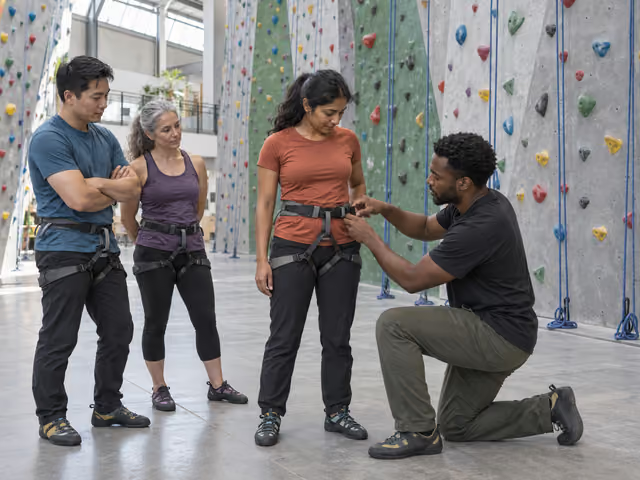
Have staff fit or check each person's climbing shoes and harness. Shoes should be snug without hurting; tell staff about pinching, a loose harness or anything unfamiliar. Ask before touching another person's equipment, including during fitting. The instructor handles or directly supervises your tie-in and checks the complete climbing system before every start: harness fit and fastening, rope attachment, belay device and connector, and rope setup. If equipment changes or is adjusted, ask for another check.
Walk through the waiting area and the permitted climbing lane with the instructor. Ask how this gym identifies a route's start, allowed holds and finish. Choose an easy route together; a hold colour or grade is not universal between gyms. Warm up as staff directs. Tell the instructor about height worries before leaving the floor.
Practice how to get the belayer's attention, ask to start, request a supported rest, and request lowering. Use the exact calls and replies the instructor teaches, including names if needed in a noisy gym. Ask what to do if either person cannot hear clearly. Have staff demonstrate the lowering position and landing, and ask for an instructor-controlled low-height rehearsal if you want one. Understand how to come down before climbing higher. Belay operation, knots and equipment setup are taught and managed in person.
Climb, come down and rotate
Start only when ready
Choose a willing first climber. The instructor ties in or supervises the tie-in, completes the checks and confirms the lane is clear. Exchange the taught start calls and wait for the belayer's clear permission before putting your feet on the wall. Friends wait where staff directs, clear of the belayer, ropes and climbing or lowering area.
Work through the holds
Follow the instructor's route markings and movement advice. Look for the next foothold and use your legs to stand up rather than pulling every move with your arms. Stay in the assigned lane; ask staff before changing routes. Friends can encourage from the waiting area, but the climber and belayer must be able to hear one another.
Rest or stop when needed
If tired, stuck or worried, get the belayer's attention and use the taught request for a supported rest or for lowering. Wait for acknowledgement and follow their instructions before weighting the rope. After a rest, continue only if you want to and the instructor says to proceed. You can come down below the finish; reaching the top is optional. Report discomfort or a communication problem immediately.
Let staff lower you
At the marked finish, or whenever you want to come down, request lowering and wait for the belayer's clear response. Follow the position and foot-placement instructions rehearsed on the floor while the staff member controls the descent. Do not jump off, detach, or try to operate the belay device. Once standing securely on the floor, wait for staff to confirm the climb is over and manage the rope release.
Offer the next turn
After the climber is down and staff has cleared the lane, offer the next willing friend a climb. As a house hosting arrangement, rotate after one ascent-and-lowering turn rather than letting one person take several in succession. A climber may pass and rejoin later. Rest between attempts; when ready, repeat an approachable route or ask the instructor for another. Staff checks and belaying apply every time.
End the session together
This is an unscored recreational visit. A turn ends when the climber is back on the floor, whether they reached the route's finish, rested on the rope or chose to stop earlier. There is no winner, elimination or tie to resolve. Do not compare heights or grades as a group score; each person can choose their own aim.
Near the booking's end, ask staff whether there is time for another turn, including checks and lowering. Finish earlier if anyone wants to stop or the instructor ends climbing. Everyone must be back on the floor before staff belaying finishes. Return rentals as directed, check belongings and meet away from the climbing lanes. If you want to return, ask staff which booking or instruction suits your next visit.
Make the waiting and climbing feel welcoming
Ask each climber whether they want movement suggestions or would rather work it out. One friend can offer an invited suggestion; avoid several people shouting different holds. Technical questions about ropes, fit, checks or descent go to the instructor. Save conversation with the staff belayer for a pause between climbs so their attention stays on the climber.
Keep other climbers' lanes and the floor below them clear. If routes overlap, someone starts nearby, or you are unsure which holds belong to your route, tell staff and wait for their direction. Do not settle space disputes by climbing through someone else's path. If an instruction is unclear, ask for it again; finishing a route is never a reason to skip a check.
People progress at different speeds. Offer rest without teasing and ask before cheering loudly or taking a photograph. Photos belong from a staff-approved waiting position and must not distract the belayer. Celebrate something the person chose to try, including deciding to come down. Keep the group plan flexible within the booked service rather than urging a nervous friend onto a harder route.
Already know the game?
Ideas & Twists
Choose a variation together before you start.
Top-rope climbing · See main rules
House suggestion · gentler first turnChoose your own stopping point
Before each turn, tell the instructor a reachable stopping point you would like to try, such as a visible hold partway up the beginner route. The instructor confirms the choice and lowering plan. Request lowering there rather than aiming for the route's normal finish; you may stop earlier at any point. Rotate once back on the floor. Other turns follow each person's own aim, with no points or ranking. Fitting, checks, communication and staff belaying stay unchanged.
Top-rope climbing · See main rules
House suggestion · personal progressRepeat one useful move
After a normal first turn and a rest, ask the instructor to help you choose one movement to notice on a repeat of the same suitable route, such as placing a foot deliberately before standing up. Take the repeat only when your turn comes round and there is time in the booking. Afterwards, describe what felt different; reaching higher is not required. Everyone may choose a different route and focus. Keep the ordinary rotation and unscored finish; do not remove holds or add movement restrictions.
Top-rope climbing · See main rules
House suggestion · clearer encouragementOne invited helper
Before each turn, the climber chooses one waiting friend to offer brief movement suggestions when asked. Other friends let that voice be heard. The helper stays in the designated waiting area and says nothing over the instructor's calls; all equipment and safety guidance still comes from staff. Choose a new helper for the next climber, or choose none. Route choice, rotation, lowering and the session finish remain the same.
About this guide
A booked indoor beginner outing with staff belaying, not a competition ruleset or purchased-game edition. The 2–4 social group and three variations are hosting suggestions. Edgeworks provides a concrete staff-belayed service example; its price, duration, availability and local rules are not promises about another gym. Each provider's fitting, instruction and operating rules govern the visit. This format uses staff-managed ropes and lowering, distinct from rope-free bouldering, auto-belay use and lead climbing.
Ready for something different?
Find another game →